Exercise and mood: how physical activity helps with depression and anxiety
Physical Activity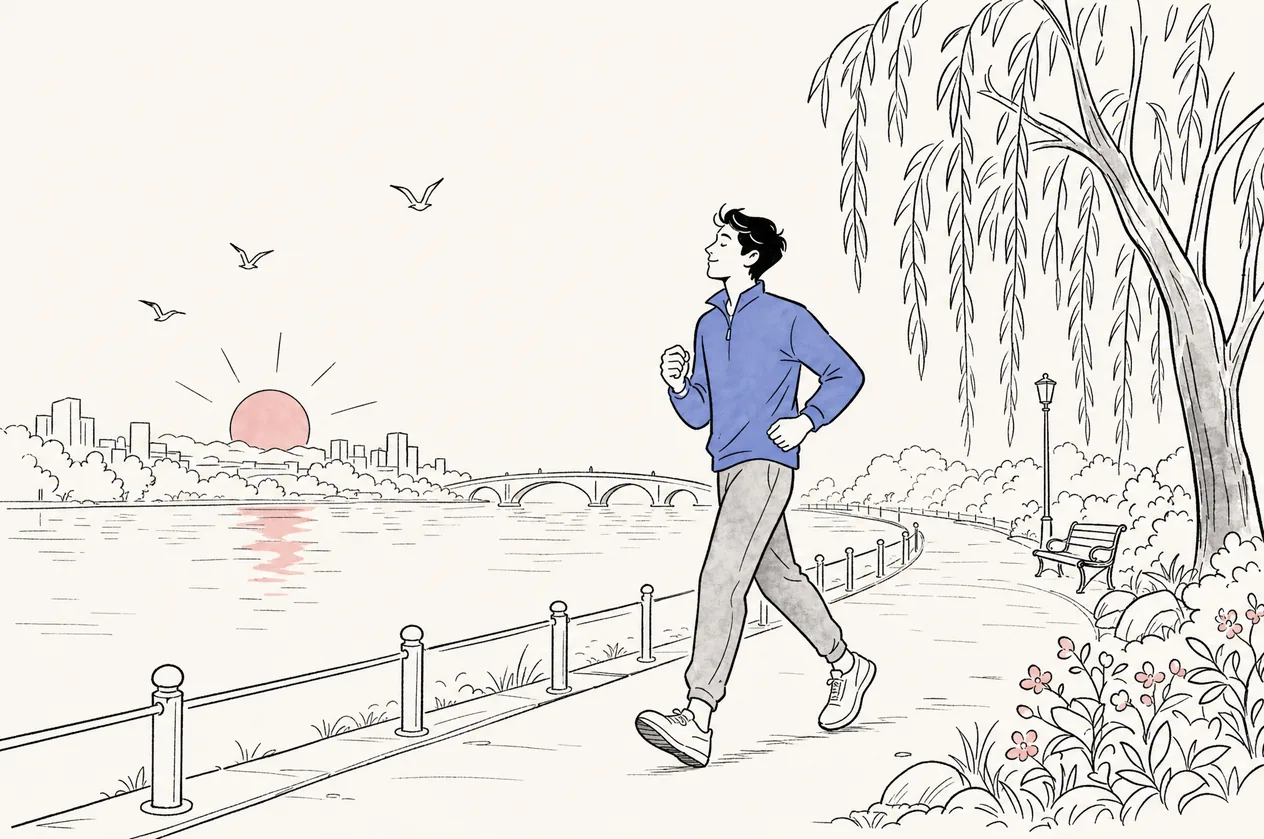
Key points
- A review of 97 reviews (more than 128,000 people): exercise moderately reduces depression, anxiety and distress.
- A network meta-analysis of randomized trials: walking or jogging, yoga and strength training are effective, with bigger effects at higher intensity.
- Active people had 17% lower odds of developing depression.
- Exercise complements, but does not replace, treatment for depression.
Movement as a mental health resource
Depression and anxiety are among the most common health conditions in the United States. Medication and psychotherapy work, but not everyone has access to them, and many people look for additional ways to feel better.
What the research shows
Review of reviews. An umbrella review of 97 systematic reviews covering more than 1,000 trials and 128,000 participants found that physical activity moderately reduced symptoms of depression, anxiety and psychological distress compared with usual care. The effects were comparable to or larger than those of psychotherapy and medication, and larger with higher-intensity exercise (Singh et al., 2023).
Which exercise. A network meta-analysis of 218 randomized trials found that walking or jogging, yoga and strength training were among the most effective forms of exercise for depression, with larger effects at higher intensity (Noetel et al., 2024).
Prevention. A meta-analysis of prospective cohorts found that people with higher levels of physical activity had 17% lower odds of developing depression (Schuch et al., 2018).
How to start when you have no energy
- Start with 5 to 10 minutes of walking, ideally outdoors.
- Schedule it like an appointment.
- Move with someone: a friend, a family member, a group.
- Notice how you feel after, not before.
Important
Exercise complements, but does not replace, professional treatment for moderate or severe depression.
Frequently asked questions
How much exercise helps depression?
Benefits were seen across a range of doses. Even walking is effective; more vigorous activity tends to bring larger effects.
Can exercise replace antidepressants?
Do not stop medication on your own. Exercise can be part of treatment; discuss changes with your doctor.
Sources
- Singh et al. (2023). Effectiveness of physical activity interventions for improving depression, anxiety and distress: an overview of systematic reviews. British Journal of Sports Medicine 57(18):1203-1209. doi:10.1136/bjsports-2022-106195
- Noetel et al. (2024). Effect of exercise for depression: systematic review and network meta-analysis of randomised controlled trials. BMJ 384:e075847. doi:10.1136/bmj-2023-075847
- Schuch et al. (2018). Physical Activity and Incident Depression: A Meta-Analysis of Prospective Cohort Studies. American Journal of Psychiatry 175(7):631-648. doi:10.1176/appi.ajp.2018.17111194
Keep reading
 Physical Activity
Exercise after 60: strength, balance and fall prevention
Why strength and balance matter most after 60, what a Cochrane review found about exercise and falls and a safe home routine to get started.
 Physical Activity
How to start exercising if you have not moved in a long time
Why the biggest health gains come from going from no activity to some, what a study of 660,000 people found and a gentle 4-week plan to start.
 Physical Activity
Walking: the simplest exercise with proven benefits
What meta-analyses show about walking, heart disease and longevity, how fast and how much to walk and easy ways to walk more every day.
Physical Activity tools
IPAQ: International Physical Activity Questionnaire (short)
Calculates your MET-minutes per week and your activity level.
QuizDo you meet the Physical Activity Guidelines? Check
Minutes of moderate and vigorous activity per week, plus strength training.
Quiz30-second chair stand test (for adults 60+)
How many times can you stand up from a chair in 30 seconds? Compared with CDC norms.
PDF · TrackerMonthly step tracker
Write down your daily steps and track your progress.
PDF · Log15-minute home strength workout + training log
A no-equipment routine with an 8-week rep log.
PDF · Card + trackerBalance exercises for adults 60+
A safe balance and leg-strength routine with a 4-week tracker.