A pillar of lifestyle medicine
Stress
How stress affects the body and which simple, evidence-based practices help you recover. It is one of the six pillars of lifestyle medicine: stress management.
Start here
Guide
Stress and health: how tension affects the body and what helps
What happens in the body during stress, why chronic stress is harmful and which stress-management methods have scientific evidence behind them.
All articles
 Stress
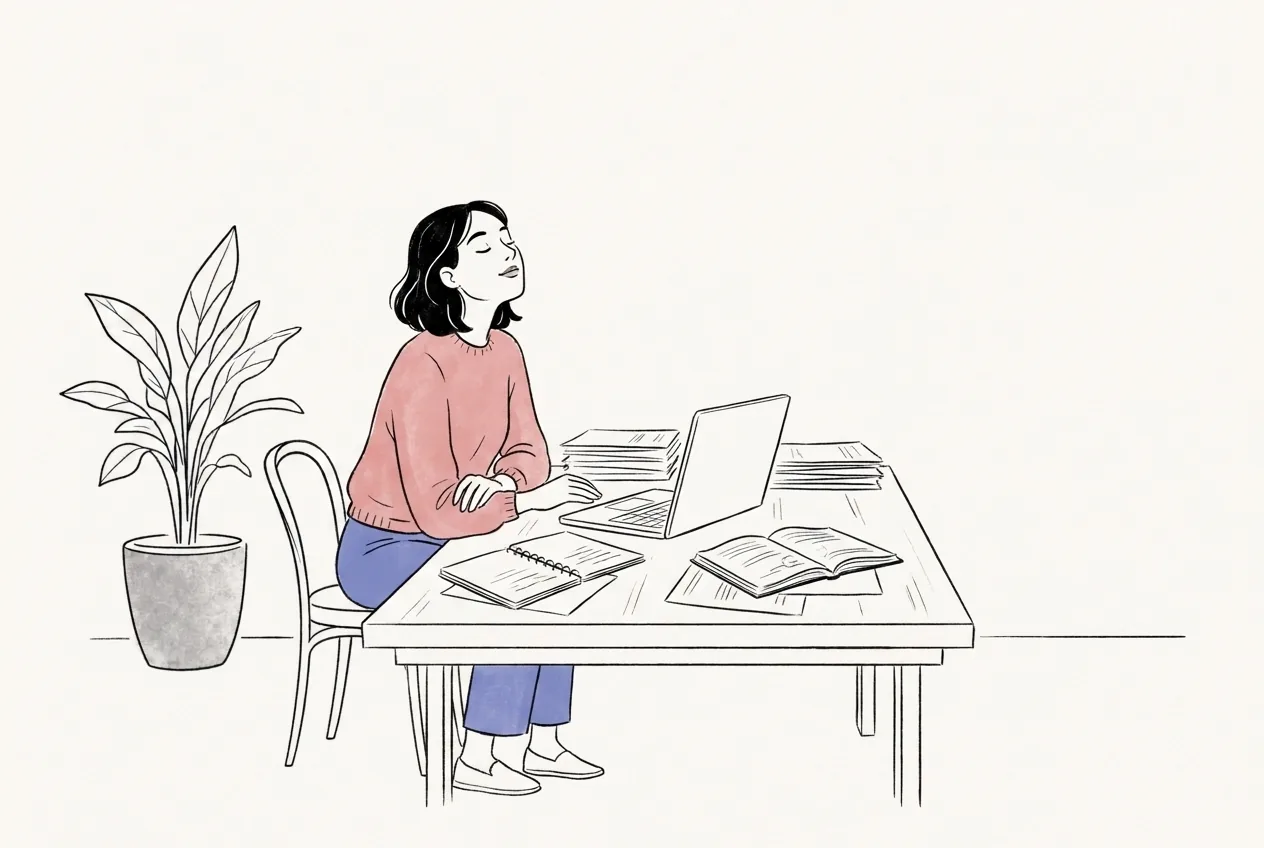
Breathing exercises for stress: what works according to research
What a meta-analysis of breathwork trials found, how slow breathing and cyclic sighing affect mood, and three simple techniques to try.
 Stress
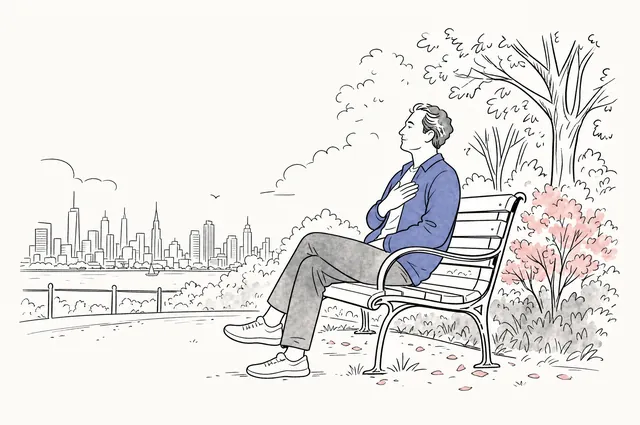
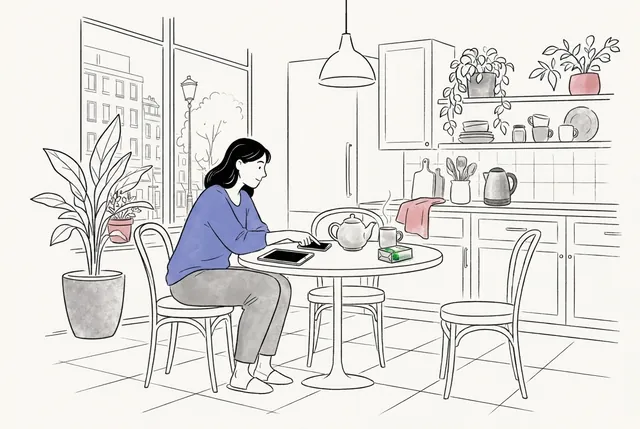
News and anxiety: how to stay informed without burning out
Why hours of distressing news coverage are linked to acute stress, what studies found after the Boston Marathon bombing and COVID-19, and rules for healthy news habits.
 Stress
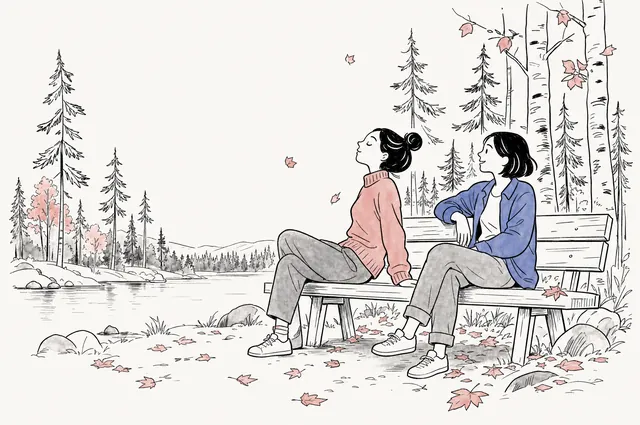
Nature as medicine: how much time outdoors you need
What studies show about green spaces, cortisol and blood pressure, why 120 minutes a week in nature is a useful target and how to get your dose.
 Stress
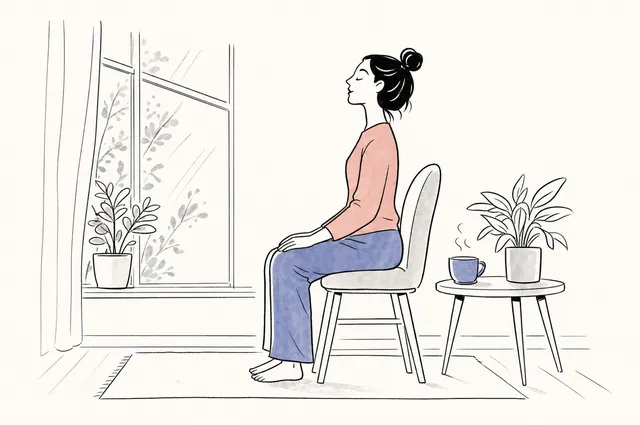
Mindfulness: what it is and how to start
What mindfulness is, what meta-analyses and a 2023 trial comparing MBSR with escitalopram found, and a 5-minute practice for beginners.
 Stress
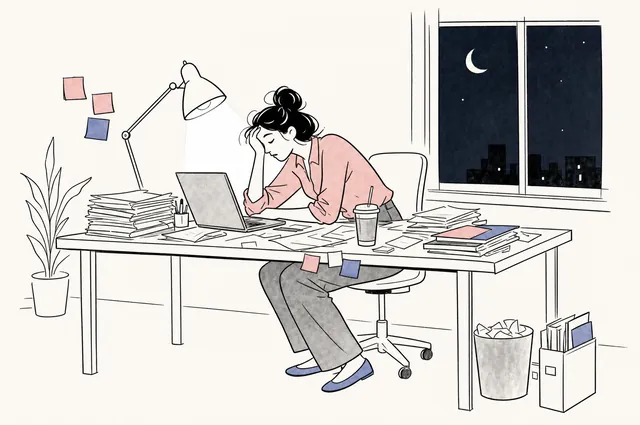
Burnout: signs, health effects and what helps
How the WHO defines burnout, its three core signs, how it is linked to heart disease, diabetes and depression, and what individuals and workplaces can do.
StressStress and your heart: how psychological strain affects cardiovascular health
How chronic stress raises heart attack risk according to INTERHEART, how work stress is linked to heart disease and the brain-inflammation pathway.
 Stress
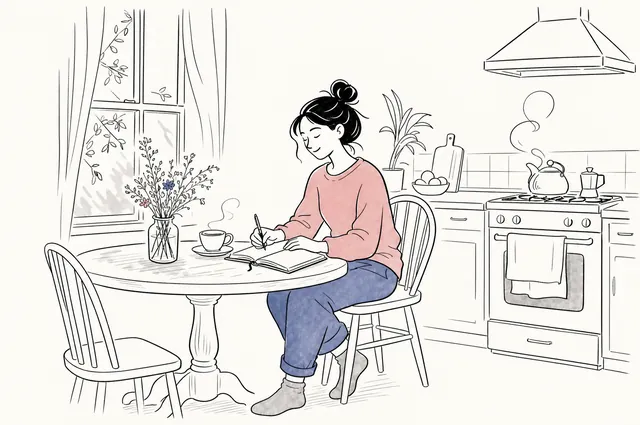
Gratitude and well-being: what is proven and what is overhyped
What experiments and meta-analyses show about gratitude journals and well-being, why the effects are smaller than often claimed and how to practice.
Myth or factMyth or fact: stress is always bad for you
Is all stress harmful? What a large U.S. study and mindset experiments found about believing stress is harmful, and why chronic stress still matters.
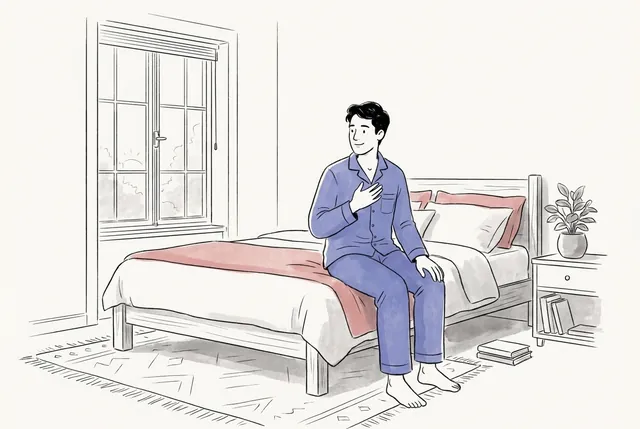
StressRest that really restores you: four ingredients of recovery
The four recovery experiences identified by occupational psychologists (detachment, relaxation, mastery and control) and ideas for evenings and weekends.
 Stress
Anxiety: when it is normal and when it is a disorder
How to tell everyday anxiety from an anxiety disorder, which treatments have the strongest evidence and what self-help can add.
StressResilience after trauma: most people recover
What research shows about the common paths after traumatic events, why resilience is the norm and what supports recovery.
StressProgressive muscle relaxation: a simple technique for anxiety
What progressive muscle relaxation is, what a meta-analysis found about relaxation training for anxiety and a step-by-step 10- to 15-minute routine.
 Stress
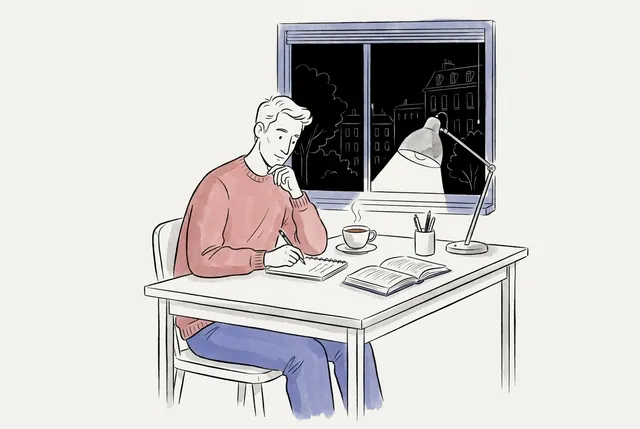
Expressive writing: how writing about your feelings helps
What James Pennebaker’s expressive writing method involves, what a meta-analysis of 146 studies found and how to try it safely.
 Stress
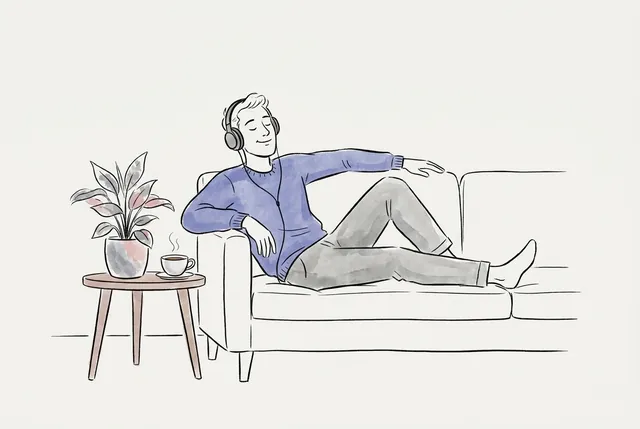
Music and stress: what meta-analyses show
What a meta-analysis of more than 100 studies found about music, psychological stress, heart rate and cortisol, and how to use music to unwind.
StressOptimism and health: what studies show
What a meta-analysis of 15 studies with 229,000 people found about optimism, heart disease and mortality, and how optimism can be practiced.
StressSocial support as a buffer against stress
What the classic stress-buffering hypothesis says, how perceived support protects health and why asking for help is a skill.
 Stress
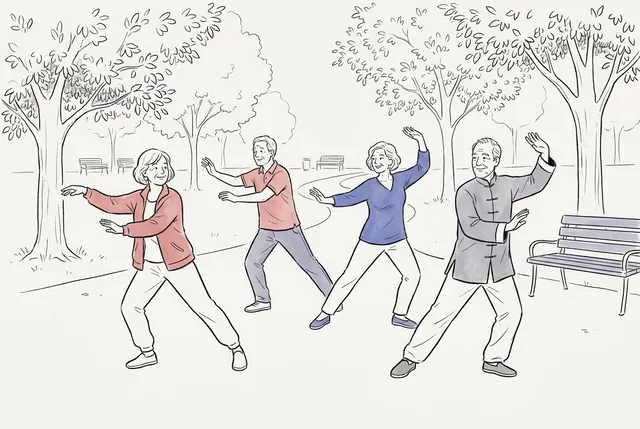
Tai chi: gentle movement for body and mind
What a BMJ randomized trial found about tai chi for fibromyalgia, how tai chi improves balance and cognition in older adults and how to get started.
StressPerfectionism: when striving for perfect hurts
What a meta-analysis of more than 40,000 college students found about rising perfectionism, how it is linked to anxiety and depression and why self-compassion helps.
 Stress
Self-compassion: how to treat yourself with kindness
What self-compassion is, what a meta-analysis and a randomized trial of the Mindful Self-Compassion program found, and a simple self-compassion break.
 Stress
Grief and loss: what is normal and when to seek help
How most people adapt to loss, what prolonged grief disorder is, who is at higher risk and which treatments help.
StressHRV biofeedback: what heart rate variability training is and whether it works
What heart rate variability biofeedback is, what a meta-analysis of 58 studies found and how to practice resonance breathing without a device.
StressCBT self-help: does it work without a therapist?
What a meta-analysis found about guided self-help based on cognitive behavioral therapy for depression and anxiety, and how to choose a good program.
StressLong working hours and heart health
What a Lancet meta-analysis of more than 600,000 people found about working 55 or more hours a week, stroke and heart disease, and how to protect your recovery.
Myth or factMyth or fact: ice baths and cold showers cure stress
What research on cold water immersion shows about stress, sleep, immunity and recovery after workouts, and who should avoid cold plunges.
Myth or factMyth or fact: ashwagandha is a safe, natural stress remedy
What studies show about ashwagandha for stress and anxiety, why the quality of evidence is low and the reported risks, including liver injury.
Quizzes and calculatorsAll quizzes →
PHQ-9: depression screening questionnaire
9 questions about your mood over the past 2 weeks, one of the most widely used screening tools in the world.
Validated questionnaireGAD-7: anxiety screening questionnaire
7 questions about anxiety over the past 2 weeks.
Validated questionnaireWHO-5 Well-Being Index
5 statements about how you have been feeling over the past 2 weeks.
Validated questionnairePSS-10: Perceived Stress Scale
How unpredictable and overloaded your life has felt over the past month.
Validated questionnaireSelf-Compassion Scale, short form (SCS-SF)
12 statements about how you treat yourself in difficult times.
Validated questionnaireBurnout: single-question screen
One question validated against the Maslach Burnout Inventory.
Editorial toolAre you recovering after work? Self-check
A self-check based on four ingredients of recovery: detachment, relaxation, mastery and control.
Printables (PDF)All printables →
Monthly mood, energy and sleep tracker
Rate your mood, energy, anxiety and sleep daily on a 1–5 scale.
CardBreathing techniques card
Step-by-step instructions for cyclic sighing, slow breathing and box breathing.
CardProgressive muscle relaxation: step by step
A guide to 9 muscle groups to practice before bed.
WorksheetCBT thought record
A worksheet for working with anxious and self-critical thoughts.
JournalThree good things: a weekly journal
A simple practice with a small but real effect on well-being.
PlanAfter-work recovery plan
A weekly planner for restorative activities.
Card + planHealthy news habits: rules and plan
Rules for news consumption and a personal "news window" plan.
PlanMy coping plan for hard days
A personal plan: early warning signs, what helps, who to call and crisis numbers.