Self-compassion: how to treat yourself with kindness
Stress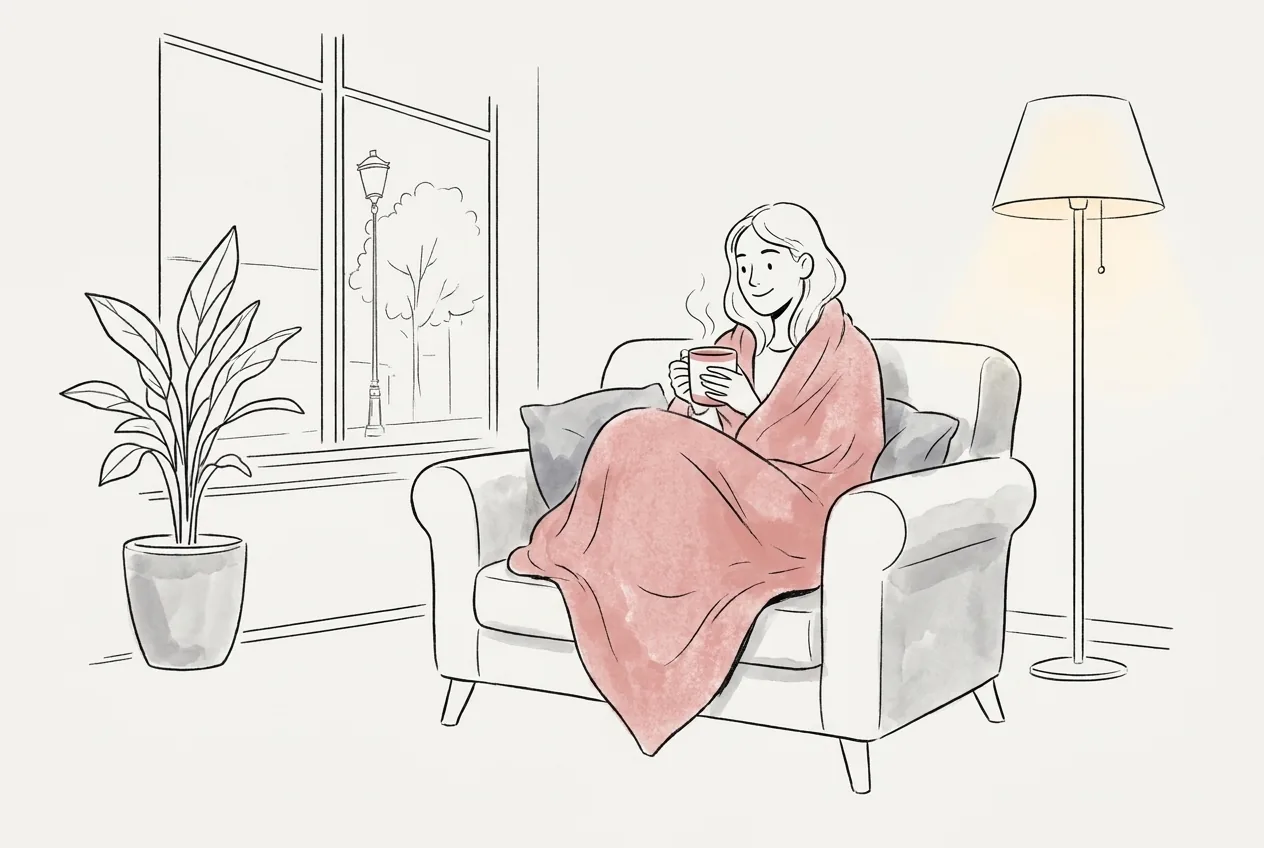
Key points
- Meta-analysis: a strong link between self-compassion and less anxiety and depression.
- Randomized trial: the 8-week MSC program reduced depression, anxiety and stress.
- The effects lasted at least a year.
- Self-compassion is not self-pity or weakness.
What the research shows
Meta-analysis. Pooling 20 samples, researchers found a large association between higher self-compassion and lower levels of depression, anxiety and stress (MacBeth & Gumley, 2012).
The Mindful Self-Compassion program. In a randomized trial by Kristin Neff and Christopher Germer, adults who completed the 8-week Mindful Self-Compassion program showed greater increases in self-compassion, mindfulness and life satisfaction, and greater decreases in depression, anxiety and stress, than a waitlist group. Gains were maintained at 6-month and 1-year follow-ups (Neff & Germer, 2013).
Mindfulness meditation programs, which share some elements, modestly reduce anxiety and depression (Goyal et al., 2014).
The self-compassion break
When you are struggling, pause and say to yourself:
- “This is a moment of suffering.” (Mindfulness: naming the pain.)
- “Suffering is part of life; I am not alone.” (Common humanity.)
- “May I be kind to myself.” (Self-kindness.) You can put a hand on your chest.
Ask yourself: what would I say to a good friend in this situation?
Frequently asked questions
Does self-compassion make people lazy?
Research suggests the opposite: self-compassionate people are more likely to learn from mistakes and try again.
How is it different from self-esteem?
Self-esteem depends on evaluating yourself positively; self-compassion is kindness toward yourself regardless of success or failure.
Sources
- MacBeth et al. (2012). Exploring compassion: A meta-analysis of the association between self-compassion and psychopathology. Clinical Psychology Review 32(6):545-552. doi:10.1016/j.cpr.2012.06.003
- Neff et al. (2013). A Pilot Study and Randomized Controlled Trial of the Mindful Self‐Compassion Program. Journal of Clinical Psychology 69(1):28-44. doi:10.1002/jclp.21923
- Goyal et al. (2014). Meditation Programs for Psychological Stress and Well-being. JAMA Internal Medicine 174(3):357. doi:10.1001/jamainternmed.2013.13018
Keep reading
Perfectionism: when striving for perfect hurts
What a meta-analysis of more than 40,000 college students found about rising perfectionism, how it is linked to anxiety and depression and why self-compassion helps.
 Stress
Grief and loss: what is normal and when to seek help
How most people adapt to loss, what prolonged grief disorder is, who is at higher risk and which treatments help.
 Stress
Tai chi: gentle movement for body and mind
What a BMJ randomized trial found about tai chi for fibromyalgia, how tai chi improves balance and cognition in older adults and how to get started.
Stress tools
PHQ-9: depression screening questionnaire
9 questions about your mood over the past 2 weeks, one of the most widely used screening tools in the world.
QuizGAD-7: anxiety screening questionnaire
7 questions about anxiety over the past 2 weeks.
QuizWHO-5 Well-Being Index
5 statements about how you have been feeling over the past 2 weeks.
PDF · TrackerMonthly mood, energy and sleep tracker
Rate your mood, energy, anxiety and sleep daily on a 1–5 scale.
PDF · CardBreathing techniques card
Step-by-step instructions for cyclic sighing, slow breathing and box breathing.
PDF · CardProgressive muscle relaxation: step by step
A guide to 9 muscle groups to practice before bed.