Weight gain after quitting smoking: what to expect and why quitting still pays off
Risky SubstancesKey points
- Average weight gain is about 9 to 11 lb (4 to 5 kg) in the year after quitting.
- About 16% of people lose weight, and 13% gain more than 22 lb (10 kg).
- Even with weight gain, cardiovascular risk is roughly halved.
- Activity and healthy eating help limit weight gain.
How much people gain
A meta-analysis found that people who quit smoking without medication gained an average of 4.7 kg (about 10 lb) after 12 months, with most of the gain in the first 3 months. The range was wide: about 16% lost weight, and about 13% gained more than 10 kg (Aubin et al., 2012).
The benefits outweigh the gain
In the Framingham Offspring Study, people who had quit smoking within the past 4 years had about half the risk of cardiovascular events of people who continued to smoke, and weight gain did not reduce this benefit (Clair et al., 2013). Quitting before age 40 adds about 9 to 10 years of life (Jha et al., 2013).
In practice
- Keep healthy snacks on hand: fruit, vegetables, nuts.
- Drink water and limit sugary drinks.
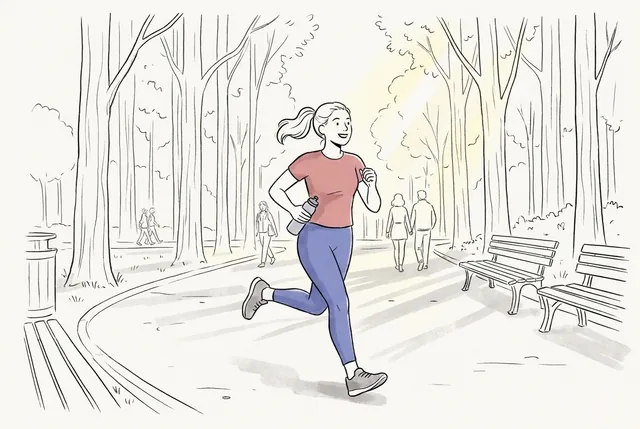
- Add a daily walk; physical activity also eases cravings.
- Ask your doctor about medications that can help both quitting and early weight gain.
Frequently asked questions
Why do people gain weight after quitting?
Nicotine slightly raises metabolism and suppresses appetite. After quitting, appetite returns and some people replace cigarettes with snacks.
Should I diet while quitting?
Strict dieting can make quitting harder. Focus on regular meals, healthy snacks and activity.
Sources
- Aubin et al. (2012). Weight gain in smokers after quitting cigarettes: meta-analysis. BMJ 345(jul10 2):e4439-e4439. doi:10.1136/bmj.e4439
- Clair et al. (2013). Association of Smoking Cessation and Weight Change With Cardiovascular Disease Among Adults With and Without Diabetes. JAMA 309(10):1014. doi:10.1001/jama.2013.1644
- Jha et al. (2013). 21st-Century Hazards of Smoking and Benefits of Cessation in the United States. New England Journal of Medicine 368(4):341-350. doi:10.1056/NEJMsa1211128
Keep reading
Over-the-counter painkillers: the risks of ibuprofen, naproxen and other NSAIDs
How common over-the-counter NSAIDs are linked to heart attack risk within the first week, other side effects and how to use pain relievers more safely.
Risky SubstancesAlcohol during pregnancy: no safe amount
What fetal alcohol spectrum disorders are, how common drinking in pregnancy is and why the CDC and ACOG say there is no safe amount or time.
 Risky Substances
A month without alcohol: what happens to your body
What studies of Dry January and a month of abstinence found about blood pressure, weight, insulin resistance and drinking six months later.
Risky Substances tools
AUDIT: the WHO alcohol use test
10 WHO questions about how often and how much you drink, and its consequences.
QuizAUDIT-C: quick alcohol check
The first three AUDIT questions: a one-minute screen widely used in U.S. primary care.
QuizFagerström Test for Nicotine Dependence
6 questions to gauge physical dependence on nicotine.
PDF · PlanQuit smoking plan
A personal plan: quit date, reasons, triggers, substitutes and support.
PDF · TrackerSmoke-free days tracker
A monthly tracker with craving ratings and notes.
PDF · DiaryWeekly drink diary
Record how much you drink and in what situations.