Alcohol and depression: a vicious circle
Risky SubstancesKey points
- Alcohol use disorders roughly double the risk of depression.
- The data suggest alcohol can cause depression, not just accompany it.
- Alcohol disrupts sleep, which also affects mood.
- Depressive symptoms often ease after stopping drinking.
What the research shows
A systematic review and meta-analysis found that alcohol use disorders and major depression frequently occur together: having one roughly doubles the risk of the other. Evidence from longitudinal studies suggested that alcohol use disorder increases the risk of depression, rather than only the other way around (Boden & Fergusson, 2011).
Sleep
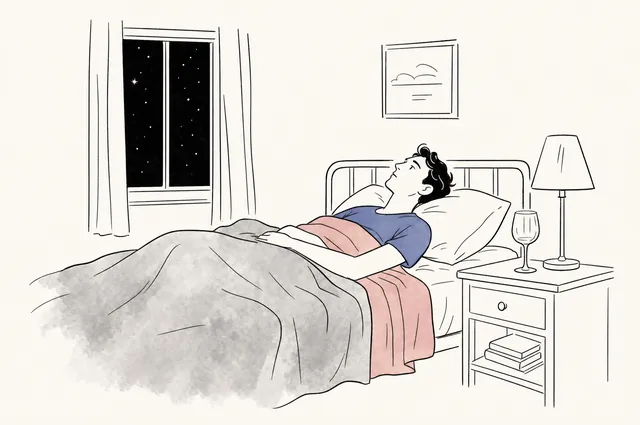
Alcohol helps you fall asleep but disrupts the second half of the night and suppresses REM sleep (Ebrahim et al., 2013), and poor sleep worsens mood.
Overall harm
The Global Burden of Disease analysis concluded that the level of alcohol use that minimizes health harm is zero (GBD 2016 Alcohol Collaborators, 2018).
How to break the cycle
- Track how much you drink and how you feel the next day.
- Try a month without alcohol and notice changes in mood and sleep.
- Replace drinking with other ways to cope: exercise, talking to someone, breathing practices.
- Get help: your doctor, a therapist, or the SAMHSA National Helpline (1-800-662-4357), which is free, confidential and open 24/7.
Frequently asked questions
Does alcohol help anxiety?
It can feel that way in the moment, but as alcohol wears off, anxiety often rebounds, and regular drinking makes anxiety worse.
How long after quitting does mood improve?
Many people notice better mood and sleep within a few weeks. If depression persists after a month without alcohol, seek treatment.
Sources
- Boden et al. (2011). Alcohol and depression. Addiction 106(5):906-914. doi:10.1111/j.1360-0443.2010.03351.x
- Ebrahim et al. (2013). Alcohol and Sleep I: Effects on Normal Sleep. Alcoholism: Clinical and Experimental Research 37(4). doi:10.1111/acer.12006
- Griswold et al. (2018). Alcohol use and burden for 195 countries and territories, 1990–2016: a systematic analysis for the Global Burden of Disease Study 2016. The Lancet 392(10152):1015-1035. doi:10.1016/S0140-6736(18)31310-2
Keep reading
Cannabis: the risks, especially for teens
How often cannabis use leads to addiction, what a meta-analysis found about teen use, depression and suicidality, and how parents can talk about it.
 Risky Substances
A month without alcohol: what happens to your body
What studies of Dry January and a month of abstinence found about blood pressure, weight, insulin resistance and drinking six months later.
Risky SubstancesGambling and sports betting: when play becomes addiction
What the Lancet Public Health Commission on gambling found, why online casinos and sports betting apps are especially risky and where to get help in the U.S.
Related topics from other pillars
Risky Substances tools
AUDIT: the WHO alcohol use test
10 WHO questions about how often and how much you drink, and its consequences.
QuizAUDIT-C: quick alcohol check
The first three AUDIT questions: a one-minute screen widely used in U.S. primary care.
QuizFagerström Test for Nicotine Dependence
6 questions to gauge physical dependence on nicotine.
PDF · PlanQuit smoking plan
A personal plan: quit date, reasons, triggers, substitutes and support.
PDF · TrackerSmoke-free days tracker
A monthly tracker with craving ratings and notes.
PDF · DiaryWeekly drink diary
Record how much you drink and in what situations.