E-cigarettes and vaping: what we know about harms and benefits
Risky Substances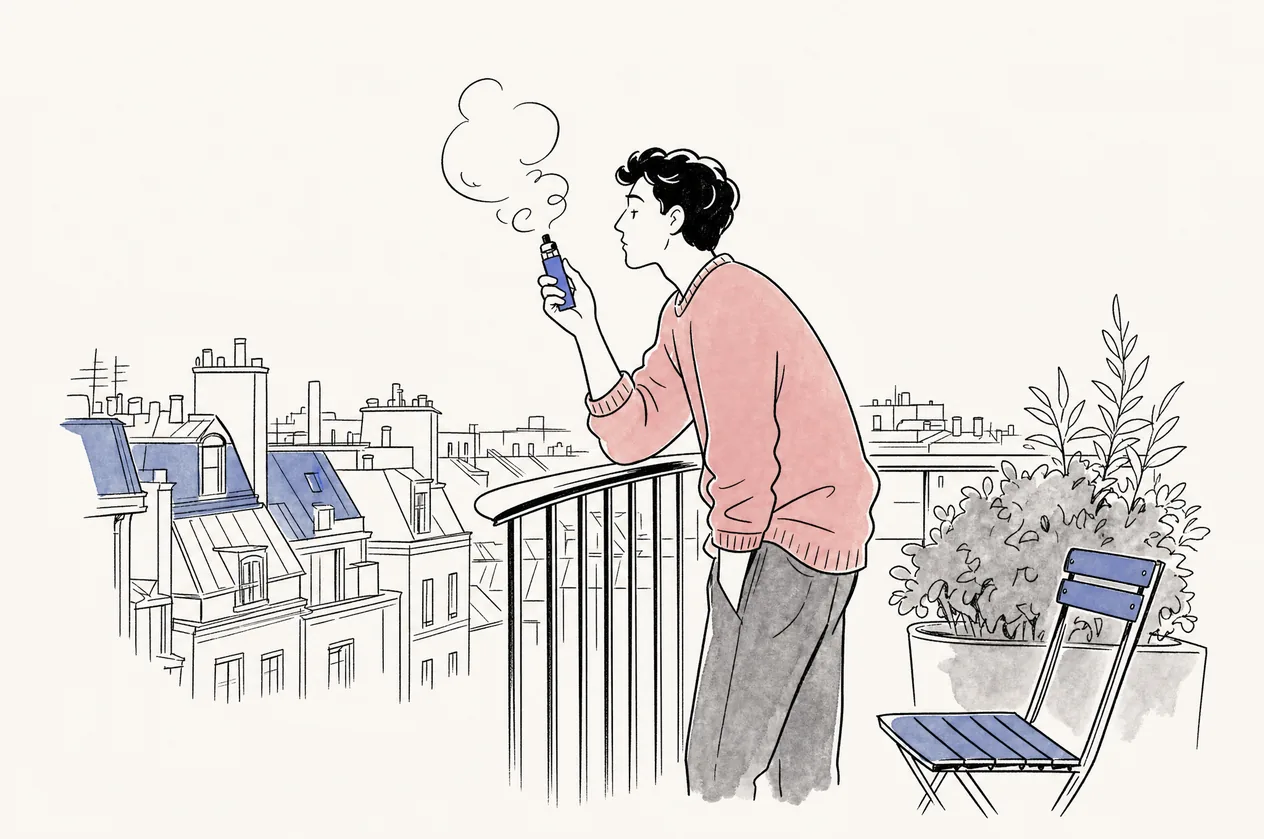
Key points
- Cochrane: nicotine e-cigarettes help people quit smoking more often than NRT (high-certainty evidence).
- In a NEJM trial, 18% in the e-cigarette group had quit at one year versus 9.9% with NRT.
- E-cigarettes contain nicotine and harmful substances; long-term effects are still being studied.
- Nonsmokers and teens should not start: nicotine is addictive.
What e-cigarettes are
E-cigarettes heat a liquid, usually containing nicotine, flavorings and other chemicals, into an aerosol that is inhaled. Disposable vapes with sweet flavors are the most popular among U.S. teens.
Do they help people quit smoking?
Cochrane review. A living systematic review found high-certainty evidence that nicotine e-cigarettes increase quit rates compared with nicotine replacement therapy and moderate-certainty evidence compared with nicotine-free e-cigarettes (Lindson et al., 2024).
A randomized trial. In the UK, 886 adults who wanted to quit received either e-cigarettes or their choice of nicotine replacement, plus behavioral support. At one year, 18.0% in the e-cigarette group had quit versus 9.9% in the NRT group (Hajek et al., 2019).
Why they are not safe
- Nicotine is highly addictive and harms the developing adolescent brain.
- The aerosol contains potentially harmful substances, including metals and volatile compounds.
- Long-term effects are still unknown.
- In 2019, a U.S. outbreak of severe lung injury (EVALI) was linked mainly to THC vapes containing vitamin E acetate.
Conclusion
For adults who smoke, completely switching to e-cigarettes is probably less harmful than continuing to smoke, but quitting all tobacco and nicotine is best. Smoking itself costs more than 10 years of life on average (Jha et al., 2013).
Frequently asked questions
Are e-cigarettes FDA-approved for quitting?
No. The FDA has authorized some e-cigarette products for sale but has not approved any as a smoking-cessation aid. Approved options include nicotine patches, gum, lozenges, varenicline and bupropion.
Is vaping safer than smoking?
For adults who would otherwise keep smoking, probably yes. But "safer" is not "safe", and dual use (smoking and vaping) brings little benefit.
Sources
- Lindson et al. (2024). Electronic cigarettes for smoking cessation. Cochrane Database of Systematic Reviews 2024(1). doi:10.1002/14651858.CD010216.pub8
- Hajek et al. (2019). A Randomized Trial of E-Cigarettes versus Nicotine-Replacement Therapy. New England Journal of Medicine 380(7):629-637. doi:10.1056/NEJMoa1808779
- Jha et al. (2013). 21st-Century Hazards of Smoking and Benefits of Cessation in the United States. New England Journal of Medicine 368(4):341-350. doi:10.1056/NEJMsa1211128
- National Cancer Institute. Smokefree.gov. smokefree.gov
Keep reading
Is any amount of alcohol safe? The myth of the healthy glass of wine
Why newer research does not support the idea that moderate drinking is good for you, what the Global Burden of Disease found and how to cut back.
Risky SubstancesSecondhand smoke: the harm to others and to children
Why there is no safe level of secondhand smoke, how many deaths it causes worldwide and what happened to heart attacks after a U.S. city went smoke-free.
 Risky Substances
How to quit smoking: the methods with the best evidence
What Cochrane reviews show about nicotine replacement, varenicline and counseling, what the EAGLES safety trial found and a 5-step plan to quit.
Risky Substances tools
AUDIT: the WHO alcohol use test
10 WHO questions about how often and how much you drink, and its consequences.
QuizAUDIT-C: quick alcohol check
The first three AUDIT questions: a one-minute screen widely used in U.S. primary care.
QuizFagerström Test for Nicotine Dependence
6 questions to gauge physical dependence on nicotine.
PDF · PlanQuit smoking plan
A personal plan: quit date, reasons, triggers, substitutes and support.
PDF · TrackerSmoke-free days tracker
A monthly tracker with craving ratings and notes.
PDF · DiaryWeekly drink diary
Record how much you drink and in what situations.