How to read a Nutrition Facts label: 5 things to check
Nutrition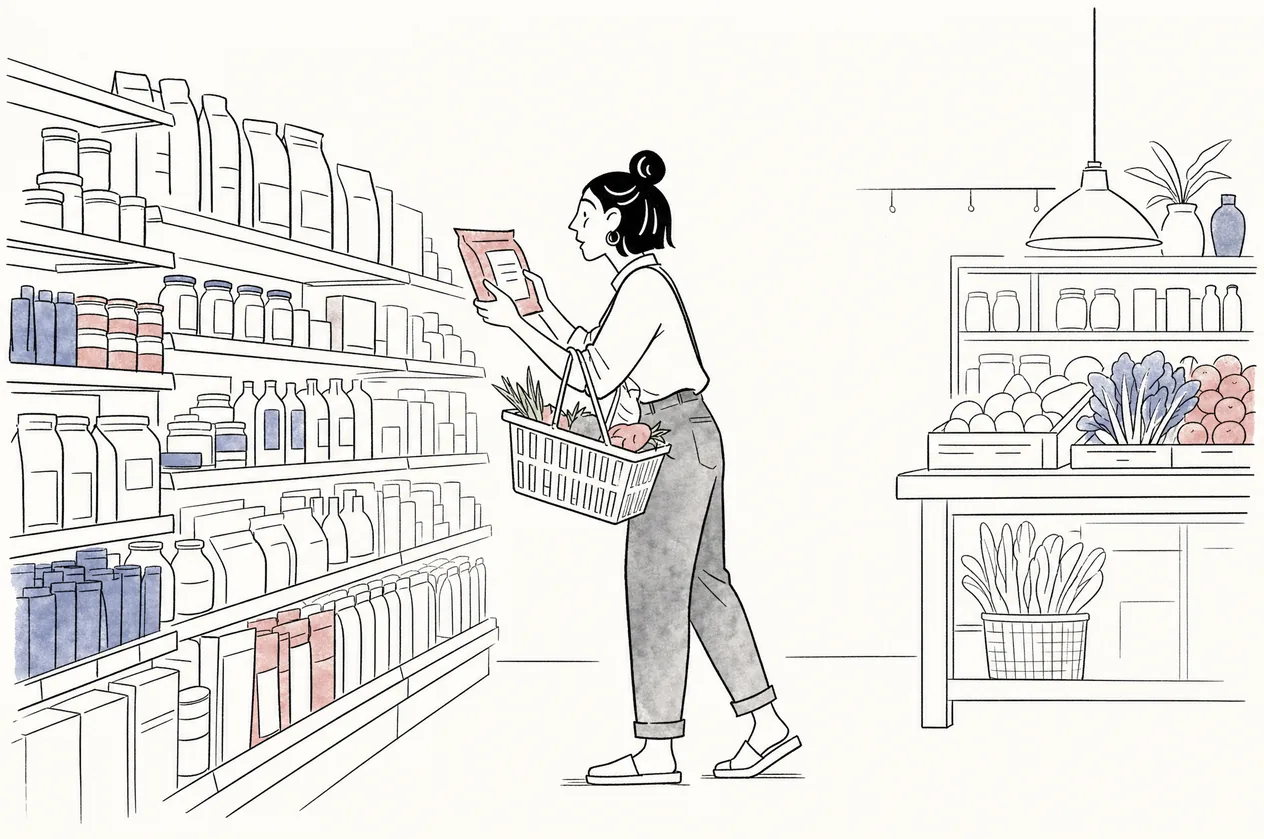
Key points
- Ingredients are listed by weight: the first three matter most.
- Use % Daily Value: 5% or less is low, 20% or more is high.
- Compare products by the same serving size, and check how many servings are in the package.
- A meta-analysis of 60 studies linked labeling to about 6.6% fewer calories eaten.
Why read labels
The front of a package is marketing; the Nutrition Facts panel and the ingredient list are the facts. Learning to read them takes a minute and helps you compare similar products, such as two breads or two breakfast cereals.
What the research shows
A meta-analysis of 60 studies found that food labeling was linked to about 6.6% fewer calories eaten, less fat and more vegetables in the diet (Shangguan et al., 2019). A meta-analysis of front-of-package labels found that warning-style labels helped people identify less healthy products and choose healthier ones (Song et al., 2021). In the U.S., the FDA has proposed a front-of-package “Nutrition Info box”.
5 steps in one minute
- Serving size and servings per container. All numbers are per serving. A bottle of soda or a bag of chips may contain two or more servings.
- Ingredient list. Ingredients are listed by weight. If sugar, refined flour or oil comes first, think twice. Look for a whole grain as the first ingredient in bread and cereal.
- Sodium. Use % DV: 5% or less per serving is low, 20% or more is high. The daily limit is 2,300 mg.
- Added sugars. Listed separately on the label. Aim for less than 10% of calories, about 50 g a day on a 2,000-calorie diet.
- Fiber. More is better: 3 g or more per serving is a good choice for bread and cereal.
Packaging traps
- “Made with whole grains” can mean only a little whole grain.
- “No sugar added” products can still be high in natural sugars, such as juice.
- “Low fat” products often contain extra sugar or starch.
- “Multigrain” is not the same as whole grain.
- Health halos on the front, like “natural” or “superfood”, are not regulated health claims.
Labels support better choices, but whole foods without labels, like vegetables, fruit and beans, are often the best choice of all (Afshin et al., 2019).
Frequently asked questions
What does % Daily Value mean?
It shows how much one serving contributes to a 2,000-calorie daily diet. The FDA’s rule of thumb: 5% DV or less is low, 20% DV or more is high.
Is "natural" a healthy claim?
The FDA has no formal definition for "natural" on most foods. It says nothing about sugar, salt or processing.
Sources
- Shangguan et al. (2019). A Meta-Analysis of Food Labeling Effects on Consumer Diet Behaviors and Industry Practices. American Journal of Preventive Medicine 56(2):300-314. doi:10.1016/j.amepre.2018.09.024
- Song et al. (2021). Impact of color-coded and warning nutrition labelling schemes: A systematic review and network meta-analysis. PLOS Medicine 18(10):e1003765. doi:10.1371/journal.pmed.1003765
- Afshin et al. (2019). Health effects of dietary risks in 195 countries, 1990–2017: a systematic analysis for the Global Burden of Disease Study 2017. The Lancet 393(10184):1958-1972. doi:10.1016/S0140-6736(19)30041-8
- U.S. Food and Drug Administration. How to Understand and Use the Nutrition Facts Label. www.fda.gov
Keep reading
 Nutrition
Fiber: how much you need per day and where to get it
How much dietary fiber adults need, what the Lancet meta-analyses show about fiber and chronic disease, and the easiest ways to eat more.
 Nutrition
Beans and legumes: an underrated source of protein and fiber
Why beans, lentils and chickpeas deserve a regular place on your plate: protein, fiber, LDL cholesterol and easy ways to eat more without the gas.
 Nutrition
How to build a healthy plate: a simple method for every day
The plate method in plain English: half vegetables and fruit, a quarter whole grains, a quarter protein. Why it works and how to use it without counting calories.
Nutrition tools
MEDAS: how Mediterranean is your diet?
The PREDIMED trial screener (13 questions; we deliberately removed the wine item).
QuizHow much fiber do you eat? Calculator
A rough estimate of your daily fiber based on your habits.
QuizToo much sodium? Self-check
The habits that affect your sodium intake the most.
PDF · PlannerWeekly meal planner using the plate method
A 7-day planner with plate-method prompts and space for your grocery list.
PDF · ChecklistHealthy grocery list
A grocery checklist by food group, with blank lines for your own items.
PDF · Cheat sheetCheat sheet: read a Nutrition Facts label in one minute
A wallet or fridge card with % Daily Value rules and what to look for.