Beans and legumes: an underrated source of protein and fiber
Nutrition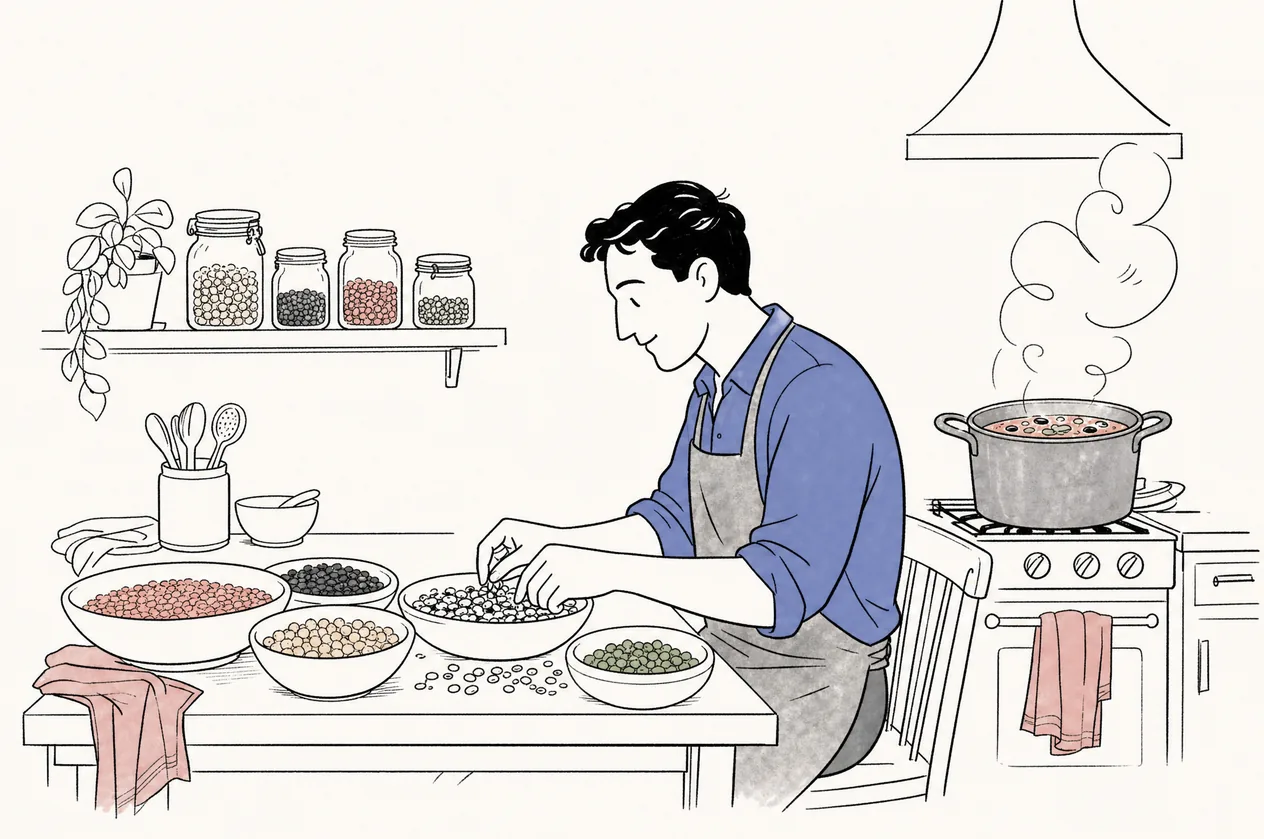
Key points
- About one serving (130 g, or about ¾ cup) of legumes a day lowers LDL cholesterol by about 5%.
- Legumes provide protein, fiber, iron, folate and potassium.
- The EAT–Lancet Commission recommends legumes as a main protein source in a healthy diet.
- Rinsing canned beans and increasing portions gradually reduce gas.
Why eat more beans
Beans, lentils, chickpeas and peas are rare foods that are rich in both protein and fiber. One cup of cooked lentils provides about 18 g of protein and 15 g of fiber, along with iron, folate and potassium, at low cost. Yet most Americans eat legumes only occasionally.
What the research shows
Cholesterol. A meta-analysis of 26 randomized trials found that about one serving of legumes a day (roughly 130 g, or ¾ cup) lowered LDL cholesterol by about 5% compared with control diets (Ha et al., 2014). That is a meaningful effect for a single food change.
Fiber and chronic disease. Legumes are among the richest sources of fiber, and high fiber intake is linked to a 15% to 30% lower risk of death, heart disease, type 2 diabetes and colorectal cancer (Reynolds et al., 2019).
Healthy and sustainable. The EAT–Lancet Commission named legumes as one of the main protein sources in a diet that is good for both people and the planet (Willett et al., 2019).
How to fit beans into your week
- Chili with black or kidney beans.
- Lentil soup or dal.
- Hummus with vegetables as a snack.
- Chickpeas roasted until crispy, or tossed into a salad.
- Bean burritos or tacos instead of ground beef.
- Split pea soup in winter.
How to avoid gas
- Start with small portions, such as ¼ cup, and increase gradually over a few weeks.
- Rinse canned beans well.
- Soak dried beans overnight, discard the water and cook until very soft.
- Lentils and split peas are usually easier to digest than large beans.
Frequently asked questions
Are canned beans as healthy as dried?
Yes, nutritionally they are very close. Choose "no salt added" cans or rinse the beans to remove up to about 40% of the sodium.
Do peanuts and green beans count?
Peanuts are botanically legumes but nutritionally behave like nuts. Green beans and snow peas count as vegetables.
Sources
- Ha et al. (2014). Effect of dietary pulse intake on established therapeutic lipid targets for cardiovascular risk reduction: a systematic review and meta-analysis of randomized controlled trials. Canadian Medical Association Journal 186(8):E252-E262. doi:10.1503/cmaj.131727
- Willett et al. (2019). Food in the Anthropocene: the EAT–Lancet Commission on healthy diets from sustainable food systems. The Lancet 393(10170):447-492. doi:10.1016/S0140-6736(18)31788-4
- Reynolds et al. (2019). Carbohydrate quality and human health: a series of systematic reviews and meta-analyses. The Lancet 393(10170):434-445. doi:10.1016/S0140-6736(18)31809-9
Keep reading
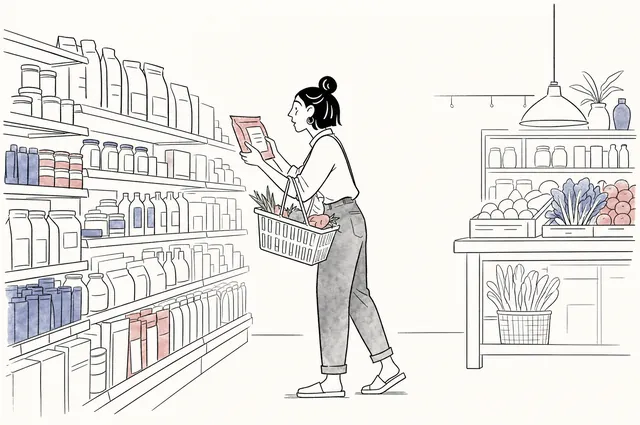 Nutrition
How to read a Nutrition Facts label: 5 things to check
A one-minute guide to the U.S. Nutrition Facts label: serving size, % Daily Value, sodium, added sugars, fiber and the ingredient list, plus common packaging traps.
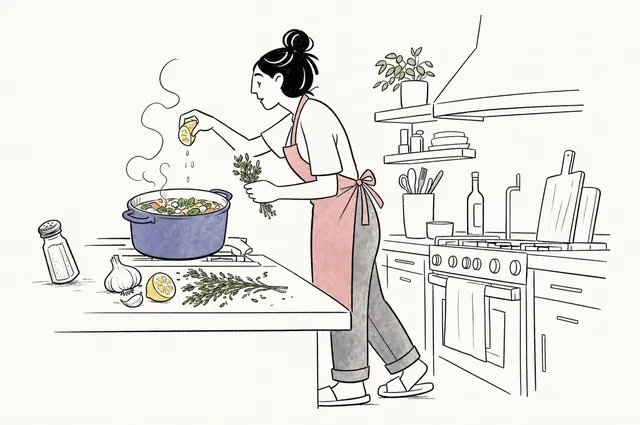 Nutrition
Sodium and salt: how much is too much and where it hides
How much sodium adults should have, how cutting back lowers blood pressure, what a large salt-substitute trial found and where most sodium in the U.S. diet comes from.
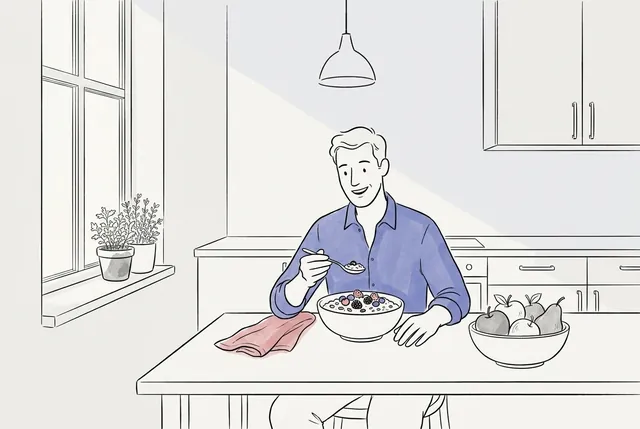 Nutrition
Fiber: how much you need per day and where to get it
How much dietary fiber adults need, what the Lancet meta-analyses show about fiber and chronic disease, and the easiest ways to eat more.
Nutrition tools
MEDAS: how Mediterranean is your diet?
The PREDIMED trial screener (13 questions; we deliberately removed the wine item).
QuizHow much fiber do you eat? Calculator
A rough estimate of your daily fiber based on your habits.
QuizToo much sodium? Self-check
The habits that affect your sodium intake the most.
PDF · PlannerWeekly meal planner using the plate method
A 7-day planner with plate-method prompts and space for your grocery list.
PDF · ChecklistHealthy grocery list
A grocery checklist by food group, with blank lines for your own items.
PDF · Cheat sheetCheat sheet: read a Nutrition Facts label in one minute
A wallet or fridge card with % Daily Value rules and what to look for.