Sodium and salt: how much is too much and where it hides
Nutrition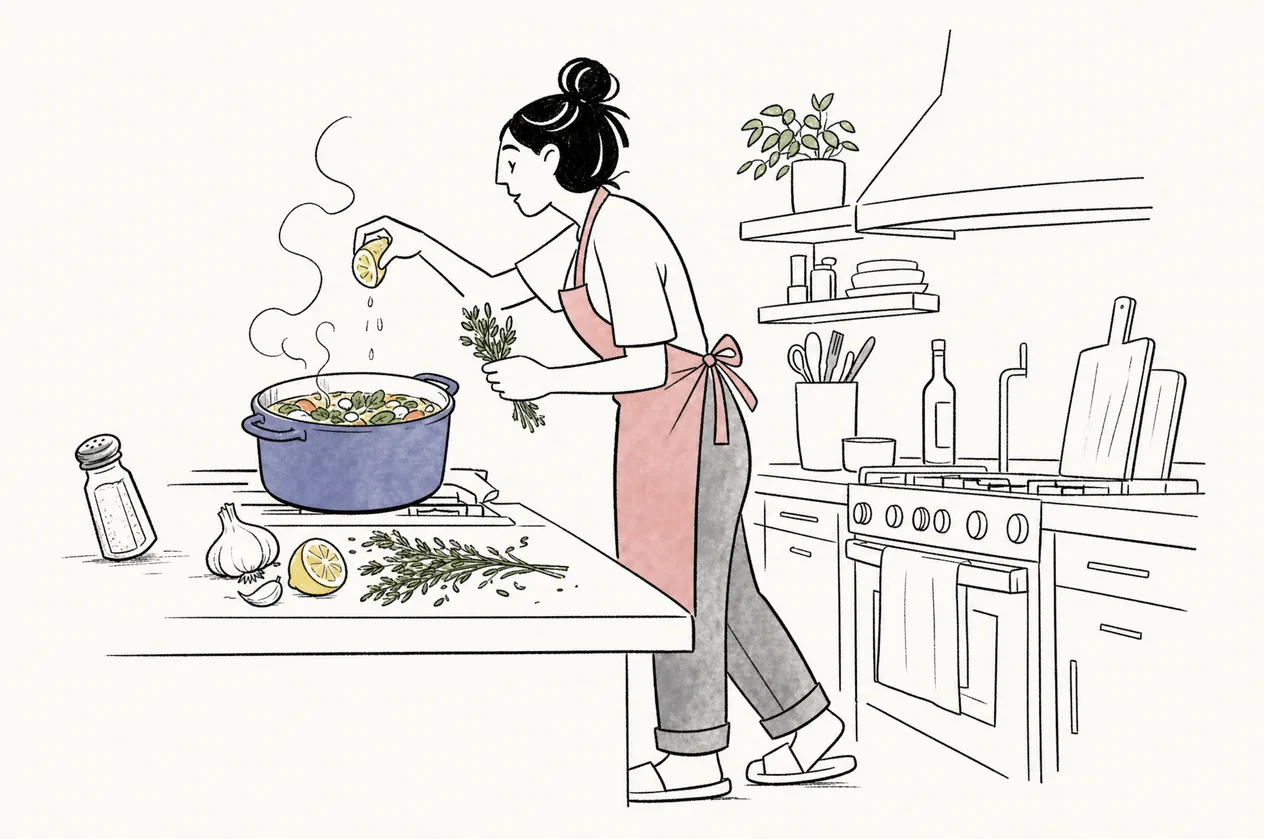
Key points
- Dietary Guidelines: less than 2,300 mg of sodium a day; WHO: less than 2,000 mg (5 g of salt).
- Cutting salt by about 4 to 5 g a day lowers blood pressure by about 4/2 mm Hg on average, and more in people with hypertension.
- In the SSaSS trial, a salt substitute cut strokes by 14% and deaths by 12%.
- More than 70% of sodium comes from packaged and restaurant foods, not the salt shaker.
Why salt affects health
Salt is sodium chloride. Too much sodium makes the body hold on to fluid and raises blood pressure, and high blood pressure is the leading risk factor for stroke and heart attack. Nearly half of U.S. adults have hypertension.
What the research shows
Blood pressure. A Cochrane review of randomized trials found that a moderate reduction in salt of about 4.4 g a day (roughly 1,700 mg of sodium) for at least 4 weeks lowered blood pressure by 4.2/2.1 mm Hg on average, and by 5.4/2.8 mm Hg in people with hypertension (He et al., 2013).
Safety. A systematic review for the WHO confirmed that lower sodium intake lowers blood pressure and has no adverse effect on blood lipids, hormones or kidney function in the general population (Aburto et al., 2013).
Salt substitutes. In the SSaSS randomized trial, about 21,000 people in China who had had a stroke or were 60 or older with high blood pressure replaced regular salt with a blend lower in sodium and higher in potassium. Over about 5 years they had 14% fewer strokes, 13% fewer major cardiovascular events and 12% fewer deaths (Neal et al., 2021). Note that in China most salt is added during home cooking; in the U.S., most comes from processed food.
Where sodium hides
According to the CDC, more than 70% of the sodium Americans eat comes from packaged, prepared and restaurant foods. The top sources include:
| Food | Approximate sodium |
|---|---|
| 2 slices of bread | 200–400 mg |
| 2 oz deli turkey or ham | 500–700 mg |
| 1 slice of pizza | 600–700 mg |
| 1 tablespoon soy sauce | 900–1,000 mg |
| 1 cup canned soup | 600–900 mg |
| A fast-food burrito or sandwich | 1,000–2,000 mg |
How to cut back without losing flavor
- Taste before you salt.
- Use herbs, garlic, onion, lemon, vinegar, pepper and spices.
- Cook at home more often so you control the salt.
- Compare Nutrition Facts labels: sodium in bread, soup and sauces can differ twofold between brands. A Daily Value of 5% or less is low; 20% or more is high.
- Choose canned vegetables and beans labeled “no salt added”, or rinse them.
- Cut back gradually: your taste buds adjust within a few weeks.
Frequently asked questions
How much is 2,300 mg of sodium?
About one level teaspoon of table salt for the whole day, including the salt already in bread, cheese, deli meat and packaged foods.
Is sea salt or Himalayan salt healthier?
No. By weight they contain almost the same amount of sodium as table salt. What matters is the total amount.
Sources
- He et al. (2013). Effect of longer term modest salt reduction on blood pressure: Cochrane systematic review and meta-analysis of randomised trials. BMJ 346(apr03 3):f1325-f1325. doi:10.1136/bmj.f1325
- Aburto et al. (2013). Effect of lower sodium intake on health: systematic review and meta-analyses. BMJ 346(apr03 3):f1326-f1326. doi:10.1136/bmj.f1326
- Neal et al. (2021). Effect of Salt Substitution on Cardiovascular Events and Death. New England Journal of Medicine 385(12):1067-1077. doi:10.1056/NEJMoa2105675
- U.S. Food and Drug Administration. Sodium in Your Diet. www.fda.gov
Keep reading
 Nutrition
Beans and legumes: an underrated source of protein and fiber
Why beans, lentils and chickpeas deserve a regular place on your plate: protein, fiber, LDL cholesterol and easy ways to eat more without the gas.
 Nutrition
Sugar and sugary drinks: what the research says
Why sugary drinks are the easiest source of excess sugar, how they are linked to type 2 diabetes and weight, and practical ways to cut back.
 Nutrition
How to read a Nutrition Facts label: 5 things to check
A one-minute guide to the U.S. Nutrition Facts label: serving size, % Daily Value, sodium, added sugars, fiber and the ingredient list, plus common packaging traps.
Related topics from other pillars
Nutrition tools
MEDAS: how Mediterranean is your diet?
The PREDIMED trial screener (13 questions; we deliberately removed the wine item).
QuizHow much fiber do you eat? Calculator
A rough estimate of your daily fiber based on your habits.
QuizToo much sodium? Self-check
The habits that affect your sodium intake the most.
PDF · PlannerWeekly meal planner using the plate method
A 7-day planner with plate-method prompts and space for your grocery list.
PDF · ChecklistHealthy grocery list
A grocery checklist by food group, with blank lines for your own items.
PDF · Cheat sheetCheat sheet: read a Nutrition Facts label in one minute
A wallet or fridge card with % Daily Value rules and what to look for.