Nutrition in lifestyle medicine: a guide to whole, mostly plant-based eating
Nutrition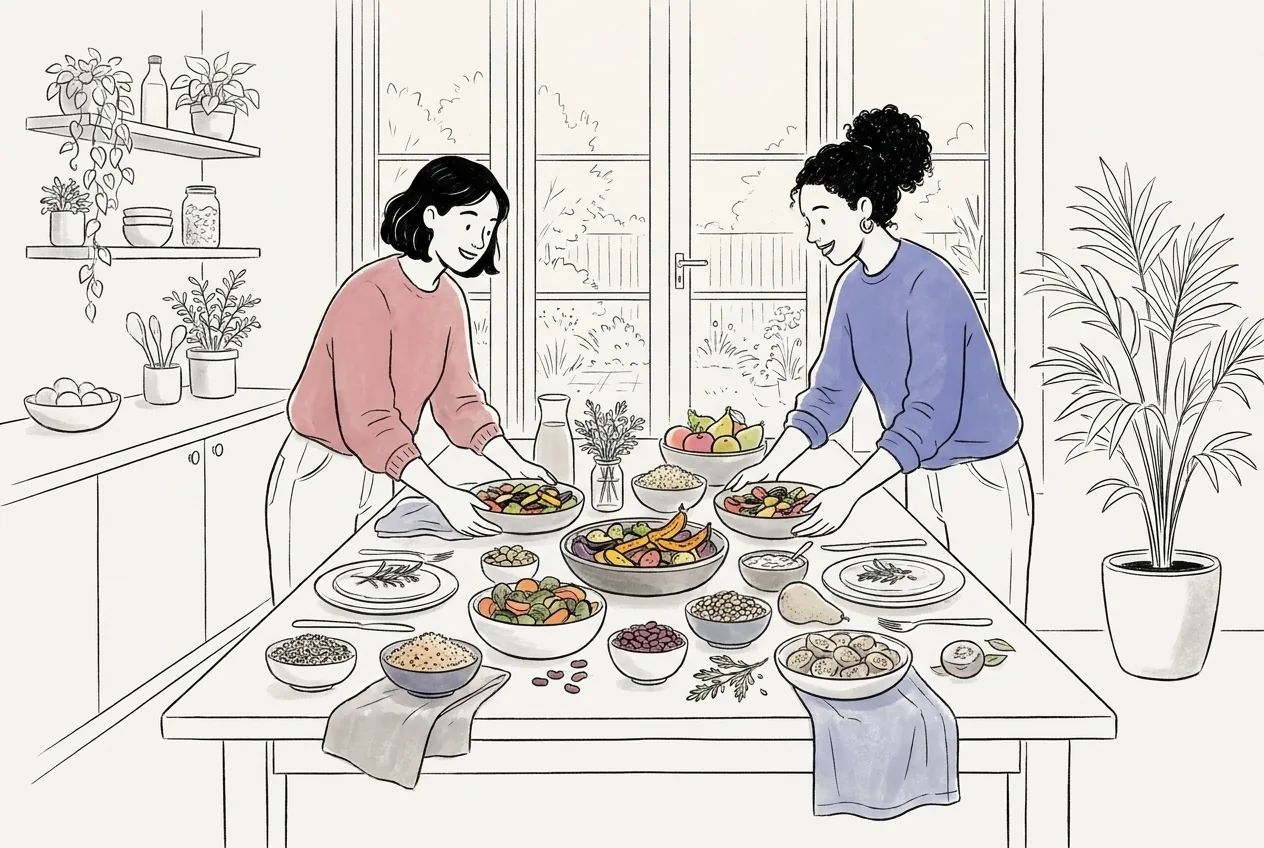
Key points
- The Global Burden of Disease study linked about 11 million deaths worldwide in 2017 to poor diet.
- The biggest contributors were too much sodium, too few whole grains and too little fruit.
- Quality matters: whole plant foods lower risk, while sugary drinks and refined grains do not.
- You do not have to go vegetarian; the goal is for plants to make up most of your plate.
Why nutrition is the first pillar
What you eat affects blood pressure, cholesterol, blood sugar, weight and inflammation. That is why diet is linked to most common chronic diseases: coronary heart disease, stroke, type 2 diabetes and several cancers.
The Global Burden of Disease analysis showed the scale of the problem: in 2017, about 11 million adult deaths worldwide were attributable to poor diet. The three biggest factors were too much sodium, too few whole grains and too little fruit (Afshin et al., 2019). In other words, the problem is not only what we eat too much of, but also what we are missing.
What “whole, mostly plant-based” means
Lifestyle medicine describes a healthy eating pattern as one built on:
- vegetables and fruits of many colors;
- whole grains: oatmeal, brown rice, barley, quinoa, whole-wheat bread;
- beans, lentils and peas;
- nuts and seeds;
- water as your main drink.
“Whole” means minimally processed: an apple rather than apple juice, plain oats rather than frosted cereal. “Mostly plant-based” means plants fill most of your plate, but your diet does not have to be fully vegetarian. This matches the Dietary Guidelines for Americans, which recommend making half your plate fruits and vegetables and at least half your grains whole grains.
Quality matters
Not every plant-based diet is healthy. In a study of more than 200,000 U.S. health professionals, researchers compared “healthy” and “unhealthy” plant-based diets. People who ate more whole grains, vegetables, fruits, nuts and legumes had a lower risk of coronary heart disease. People whose diet was plant-based mainly because of sugary drinks, refined grains and sweets had a higher risk (Satija et al., 2017).
Another U.S. cohort found similar results: closer adherence to a healthy plant-based diet was linked to lower cardiovascular disease and mortality (Kim et al., 2019). These are observational studies: they show associations but do not directly prove cause.
What randomized trials show
The strongest evidence comes from randomized trials. In the Spanish PREDIMED trial, people at high cardiovascular risk followed a Mediterranean diet with extra-virgin olive oil or nuts. Compared with a control diet, they had about 30% fewer heart attacks, strokes and cardiovascular deaths (Estruch et al., 2018).
The EAT–Lancet Commission, which brought together nutrition and environmental experts, also recommends a diet rich in vegetables, fruits, whole grains, legumes and nuts, with moderate amounts of animal foods (Willett et al., 2019).
How to start without going to extremes
- Add rather than ban. Start with one extra serving of vegetables a day.
- Swap one refined food for a whole-grain one: white bread for whole-wheat, sweet cereal for oatmeal.
- Beans twice a week. Chili with beans, lentil soup or hummus are easy options.
- Swap sugary drinks for water. It is one of the simplest changes with the biggest payoff.
- Cut back on sodium. Most sodium comes from packaged and restaurant foods: deli meats, sauces, snacks, bread and pizza.
Elsewhere in this section we explain how to build a healthy plate, how much fiber you need and how to read a Nutrition Facts label.
Frequently asked questions
What is whole, plant-based food?
Plant foods with minimal processing: vegetables, fruits, whole grains, beans and lentils, nuts and seeds. Unlike refined products, they keep their fiber, vitamins and minerals.
Do I need to give up meat completely?
No. Research shows benefits from increasing the share of whole plant foods. Going vegetarian or vegan is a personal choice; people on a strictly plant-based diet need a reliable source of vitamin B12.
Which diet is best studied?
The Mediterranean diet is one of the best studied. In the PREDIMED randomized trial, a Mediterranean diet supplemented with olive oil or nuts was followed by fewer major cardiovascular events.
Sources
- Afshin et al. (2019). Health effects of dietary risks in 195 countries, 1990–2017: a systematic analysis for the Global Burden of Disease Study 2017. The Lancet 393(10184):1958-1972. doi:10.1016/S0140-6736(19)30041-8
- Willett et al. (2019). Food in the Anthropocene: the EAT–Lancet Commission on healthy diets from sustainable food systems. The Lancet 393(10170):447-492. doi:10.1016/S0140-6736(18)31788-4
- Satija et al. (2017). Healthful and Unhealthful Plant-Based Diets and the Risk of Coronary Heart Disease in U.S. Adults. Journal of the American College of Cardiology 70(4):411-422. doi:10.1016/j.jacc.2017.05.047
- Kim et al. (2019). Plant‐Based Diets Are Associated With a Lower Risk of Incident Cardiovascular Disease, Cardiovascular Disease Mortality, and All‐Cause Mortality in a General Population of Middle‐Aged Adults. Journal of the American Heart Association 8(16). doi:10.1161/JAHA.119.012865
- Estruch et al. (2018). Primary Prevention of Cardiovascular Disease with a Mediterranean Diet Supplemented with Extra-Virgin Olive Oil or Nuts. New England Journal of Medicine 378(25). doi:10.1056/NEJMoa1800389
- U.S. Department of Agriculture and U.S. Department of Health and Human Services. Dietary Guidelines for Americans, 2020–2025. www.dietaryguidelines.gov
Keep reading
 Nutrition
How to build a healthy plate: a simple method for every day
The plate method in plain English: half vegetables and fruit, a quarter whole grains, a quarter protein. Why it works and how to use it without counting calories.
 Nutrition
Fiber: how much you need per day and where to get it
How much dietary fiber adults need, what the Lancet meta-analyses show about fiber and chronic disease, and the easiest ways to eat more.
 Nutrition
How to read a Nutrition Facts label: 5 things to check
A one-minute guide to the U.S. Nutrition Facts label: serving size, % Daily Value, sodium, added sugars, fiber and the ingredient list, plus common packaging traps.
Nutrition tools
MEDAS: how Mediterranean is your diet?
The PREDIMED trial screener (13 questions; we deliberately removed the wine item).
QuizHow much fiber do you eat? Calculator
A rough estimate of your daily fiber based on your habits.
QuizToo much sodium? Self-check
The habits that affect your sodium intake the most.
PDF · PlannerWeekly meal planner using the plate method
A 7-day planner with plate-method prompts and space for your grocery list.
PDF · ChecklistHealthy grocery list
A grocery checklist by food group, with blank lines for your own items.
PDF · Cheat sheetCheat sheet: read a Nutrition Facts label in one minute
A wallet or fridge card with % Daily Value rules and what to look for.