For parents of teens
The teen years are when lifelong habits take shape: sleep, activity, attitudes toward alcohol and nicotine, friendships and coping with stress.
This collection helps parents get the facts straight and talk with their teen calmly, without scare tactics.
Sleep and screens
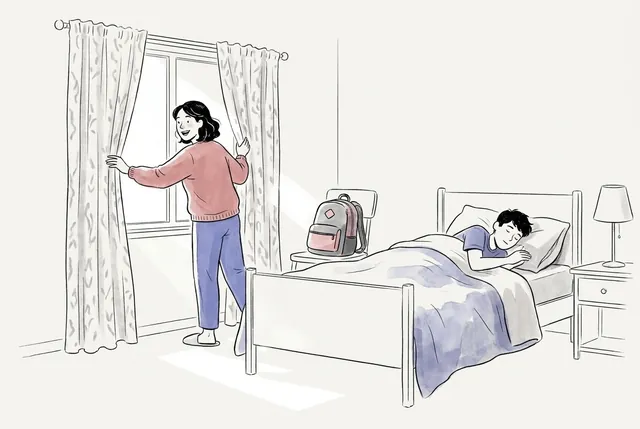 Sleep
Teen sleep: why teens need more and fall asleep later
How much sleep teenagers need, why their body clocks shift later, what the American Academy of Pediatrics says about school start times and how parents can help.
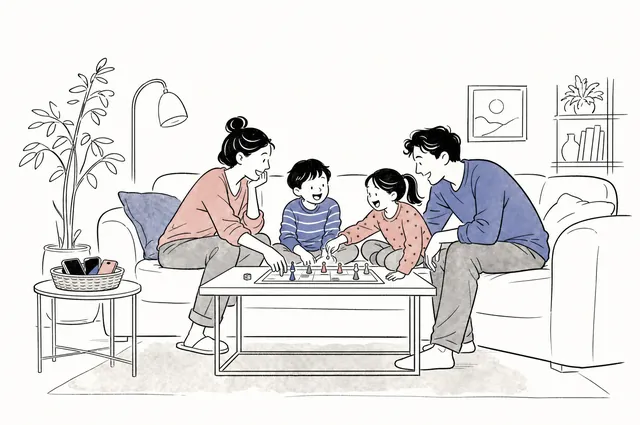 Risky Substances
Smartphones and social media: when a habit becomes an addiction
How common problematic smartphone use is, how it is linked to anxiety, depression and sleep, and what experiments found when people limited social media.
Social ConnectionSocial media and in-person connection: can online replace real relationships?
How heavy social media use is linked to perceived isolation, what experiments found when people limited social media and how to balance online and offline.
Risky SubstancesGaming disorder: when video games become a problem
How common gaming disorder is, the WHO criteria in ICD-11, warning signs to watch for in teens and adults, and how it is treated.
 Sleep
Light and your body clock: how to reset your sleep schedule
Why light is the main signal for your circadian rhythm, what studies show about morning light, camping and evening screens, and how to use light to sleep better.
SAS-SV: Smartphone Addiction Scale
10 statements about how you use your smartphone.
QuizHow much sleep do you need? Recommendations by age
Recommendations from the American Academy of Sleep Medicine and the National Sleep Foundation.
QuizSocial jet lag calculator
The difference in your sleep midpoint between workdays and days off.
PDF · PlanTwo-week digital detox plan
A step-by-step plan with check-offs to cut social media time.
PDF · TrackerScreen time tracker
A weekly screen time tracker by category.
Vaping, energy drinks, alcohol and cannabis
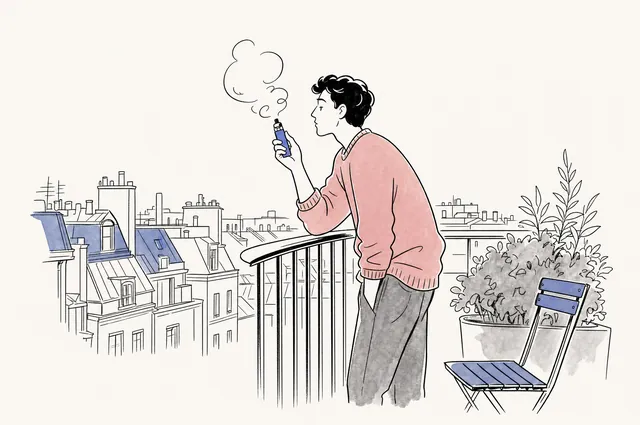 Risky Substances
E-cigarettes and vaping: what we know about harms and benefits
Are vapes safer than cigarettes? What a Cochrane review and a NEJM trial found about quitting smoking, why vaping is not safe and why teens should not start.
 Risky Substances
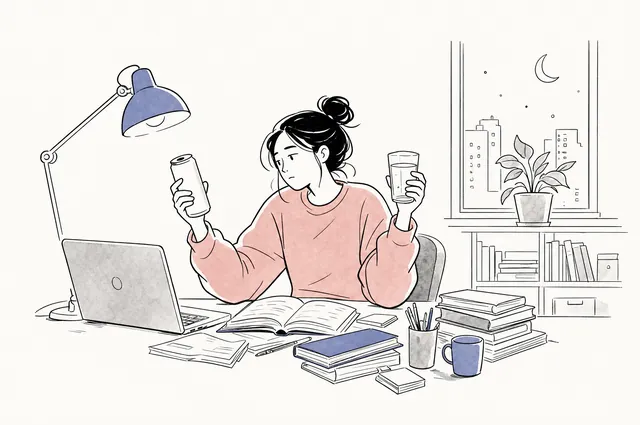
Energy drinks: how much caffeine is safe and who should avoid them
Safe caffeine limits for adults, teens and pregnancy, what a randomized trial found about energy drinks and heart rhythm, and why kids should skip them.
Risky SubstancesCannabis: the risks, especially for teens
How often cannabis use leads to addiction, what a meta-analysis found about teen use, depression and suicidality, and how parents can talk about it.
Risky SubstancesHookah: why it is no safer than cigarettes
Why the water in a hookah does not filter out toxins, what a meta-analysis found about hookah and lung cancer, and why one session can equal many cigarettes.
Risky SubstancesGambling and sports betting: when play becomes addiction
What the Lancet Public Health Commission on gambling found, why online casinos and sports betting apps are especially risky and where to get help in the U.S.
Activity and nutrition
 Physical Activity
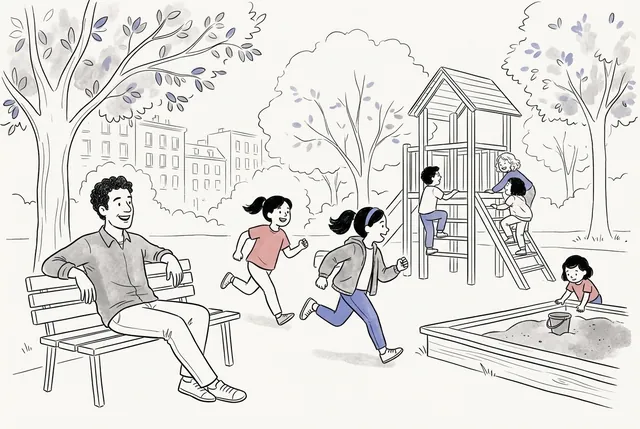
Kids and physical activity: how much they need and how to limit screens
How much physical activity children and teens need according to U.S. and WHO guidelines, why it matters and practical ideas for families.
 Nutrition
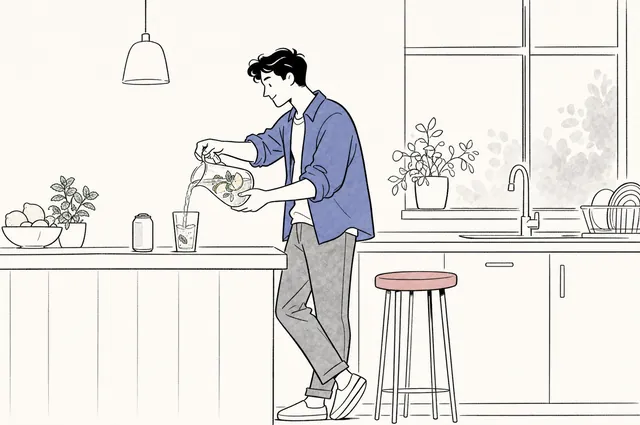
Sugar and sugary drinks: what the research says
Why sugary drinks are the easiest source of excess sugar, how they are linked to type 2 diabetes and weight, and practical ways to cut back.
Nutrition · Myth or factMyth or fact: breakfast is the most important meal for weight loss
Does eating breakfast help you lose weight? What a BMJ meta-analysis of randomized trials found, and why breakfast quality matters more than timing.
 Nutrition
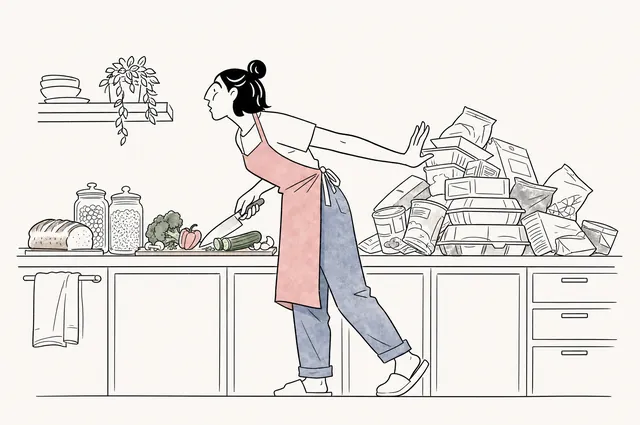
Ultra-processed foods: why it pays to eat fewer of them
What ultra-processed foods are, what a NIH randomized trial and an umbrella review of nearly 10 million people found, and how to spot them on the label.
Relationships, mood and trust
 Social Connection
Family meals: why eating together matters for health
What meta-analyses show about family meals, children’s weight, healthy eating and disordered eating, and how to make shared meals happen.
Social ConnectionPositive childhood experiences: how they protect adult mental health
What a study of 6,000 adults found about positive childhood experiences, depression and relationships, and what parents and other adults can do.
 Stress
Anxiety: when it is normal and when it is a disorder
How to tell everyday anxiety from an anxiety disorder, which treatments have the strongest evidence and what self-help can add.
StressPerfectionism: when striving for perfect hurts
What a meta-analysis of more than 40,000 college students found about rising perfectionism, how it is linked to anxiety and depression and why self-compassion helps.
 Social Connection
How to support someone in crisis: five principles of psychological first aid
The five evidence-informed principles for supporting people after traumatic events, how to talk to someone in crisis and why asking about suicide does not increase risk.
Frequently asked questions
How much sleep does a teenager need?
The American Academy of Sleep Medicine recommends 8 to 10 hours per 24 hours for teens aged 13 to 18. Teens’ body clocks shift later, which makes early bedtimes hard.
How should I talk to my teen about vaping and alcohol?
Calmly, with facts and questions rather than lectures. Ask what they think, agree on rules together and model the behavior you want to see.
When should I worry about my teen’s mood?
If sadness, withdrawal, loss of interest or changes in sleep or eating last more than 2 weeks, or your teen talks about self-harm or death, contact a professional. In a crisis, call or text 988; in an emergency, call 911.