For service members, veterans and their families
Military service and the transition home affect sleep, mood, relationships and the body. Most people recover after traumatic events over time, but support from loved ones and timely professional help make a real difference.
This collection is for service members, veterans and their families. It does not replace care from a clinician or counselor, but it can help you understand what is happening and take the first steps.
Sleep and recovery
 Sleep
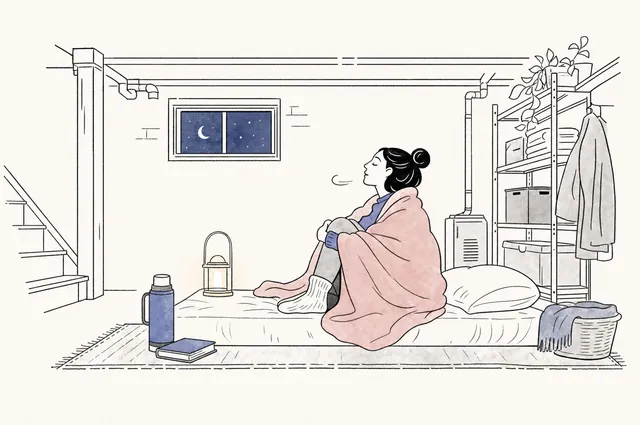
Sleeping through stressful times: how to recover when nights are restless
How stress, emergencies and anxious news cycles disrupt sleep, and habits that help you recover: a steady wake time, daylight, limiting news and relaxation.
 Sleep
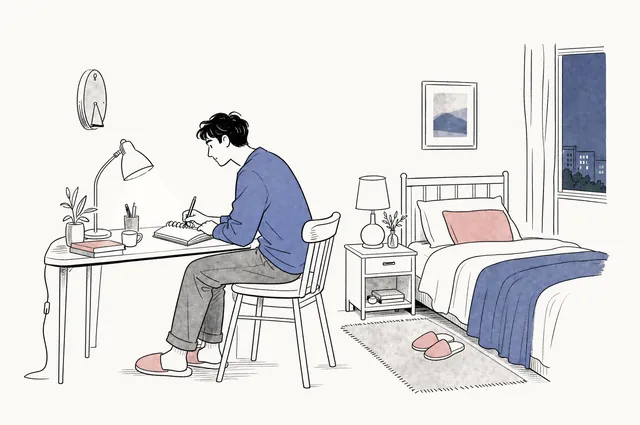
Insomnia: what CBT-I is and why it is first-line treatment
What cognitive behavioral therapy for insomnia involves, why U.S. and European guidelines recommend it before sleeping pills and where to find it.
SleepWaking up at night: what is normal and what is not
Why brief awakenings at night are a normal part of sleep, how they change with age and what to do when you cannot fall back asleep.
 Sleep
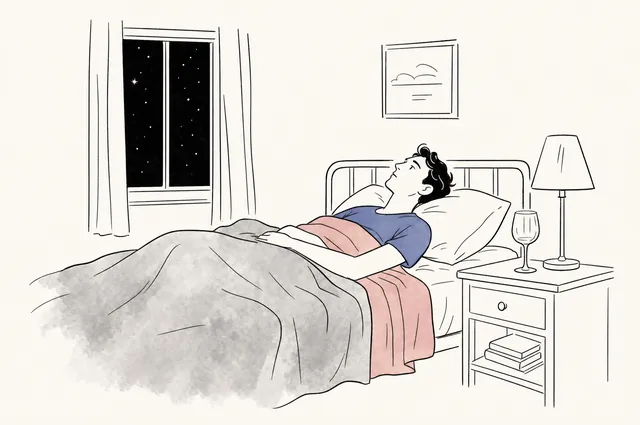
Alcohol and sleep: why a nightcap keeps you from resting well
Why alcohol helps you fall asleep but disrupts the second half of the night, what studies show about REM sleep and recovery, and better ways to unwind.
StressRest that really restores you: four ingredients of recovery
The four recovery experiences identified by occupational psychologists (detachment, relaxation, mastery and control) and ideas for evenings and weekends.
Is it chronic insomnia? Check the criteria
How often, how long and how much it affects your day.
QuizWeekly sleep debt calculator
How much sleep you are missing compared with the recommended 7+ hours.
PDF · DiaryTwo-week sleep diary
Record bedtime, wake time, awakenings, caffeine, alcohol and how you feel.
PDF · WorksheetBedtime worry journal
A worksheet for an evening "brain dump".
Stress, trauma and mood
Resilience after trauma: most people recover
What research shows about the common paths after traumatic events, why resilience is the norm and what supports recovery.
 Stress
Anxiety: when it is normal and when it is a disorder
How to tell everyday anxiety from an anxiety disorder, which treatments have the strongest evidence and what self-help can add.
 Stress
Breathing exercises for stress: what works according to research
What a meta-analysis of breathwork trials found, how slow breathing and cyclic sighing affect mood, and three simple techniques to try.
StressCBT self-help: does it work without a therapist?
What a meta-analysis found about guided self-help based on cognitive behavioral therapy for depression and anxiety, and how to choose a good program.
 Stress
Grief and loss: what is normal and when to seek help
How most people adapt to loss, what prolonged grief disorder is, who is at higher risk and which treatments help.
 Stress
Expressive writing: how writing about your feelings helps
What James Pennebaker’s expressive writing method involves, what a meta-analysis of 146 studies found and how to try it safely.
PHQ-9: depression screening questionnaire
9 questions about your mood over the past 2 weeks, one of the most widely used screening tools in the world.
QuizGAD-7: anxiety screening questionnaire
7 questions about anxiety over the past 2 weeks.
QuizPSS-10: Perceived Stress Scale
How unpredictable and overloaded your life has felt over the past month.
PDF · CardBreathing techniques card
Step-by-step instructions for cyclic sighing, slow breathing and box breathing.
PDF · WorksheetCBT thought record
A worksheet for working with anxious and self-critical thoughts.
PDF · PlanMy coping plan for hard days
A personal plan: early warning signs, what helps, who to call and crisis numbers.
Alcohol, nicotine and pain medicines
How to assess your drinking and why a short talk with a doctor helps
How the WHO AUDIT test works, what a Cochrane review found about brief alcohol interventions in primary care and why assessment is the first step.
Risky SubstancesAlcohol and depression: a vicious circle
Why alcohol can relax you briefly but worsen mood over time, what research shows about alcohol use disorder and depression, and how to break the cycle.
 Risky Substances
How to quit smoking: the methods with the best evidence
What Cochrane reviews show about nicotine replacement, varenicline and counseling, what the EAGLES safety trial found and a 5-step plan to quit.
Risky SubstancesOpioid painkillers: the risks of addiction and overdose
Why prescription opioids carry high risks of addiction and overdose, how they relate to heroin and fentanyl use, and how naloxone saves lives.
Risky SubstancesGambling and sports betting: when play becomes addiction
What the Lancet Public Health Commission on gambling found, why online casinos and sports betting apps are especially risky and where to get help in the U.S.
AUDIT: the WHO alcohol use test
10 WHO questions about how often and how much you drink, and its consequences.
QuizFagerström Test for Nicotine Dependence
6 questions to gauge physical dependence on nicotine.
QuizBBGS: brief problem gambling screen
3 questions about gambling and betting in the past year.
PDF · DiaryWeekly drink diary
Record how much you drink and in what situations.
PDF · CardThe 4 Ds: what to do when a craving hits
A wallet card with the 4 Ds and your personal substitutes.
The body: pain and getting active again
 Physical Activity
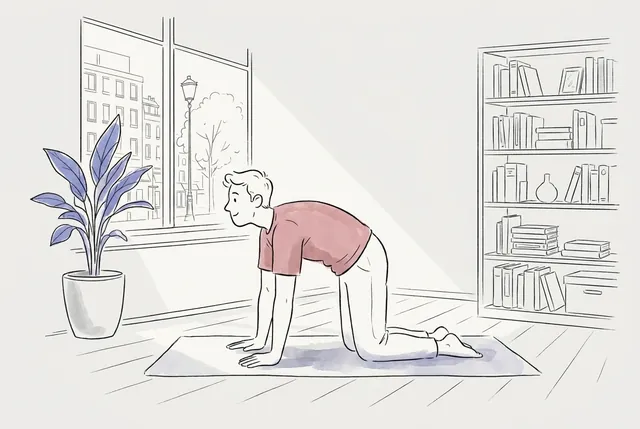
Low back pain: why staying active beats bed rest
Why guidelines recommend staying active for nonspecific low back pain, what Cochrane reviews show about exercise, and when imaging is really needed.
 Physical Activity
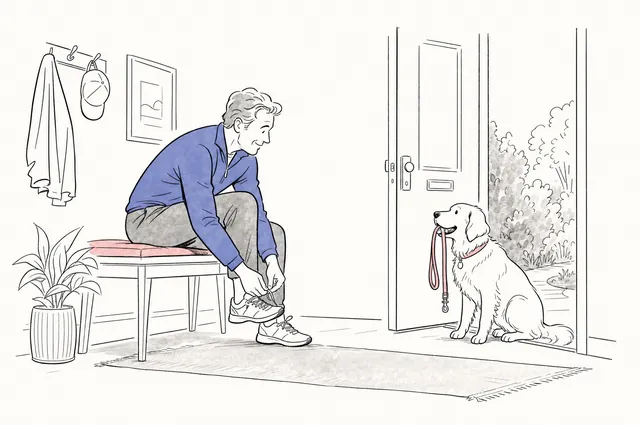
How to start exercising if you have not moved in a long time
Why the biggest health gains come from going from no activity to some, what a study of 660,000 people found and a gentle 4-week plan to start.
 Physical Activity
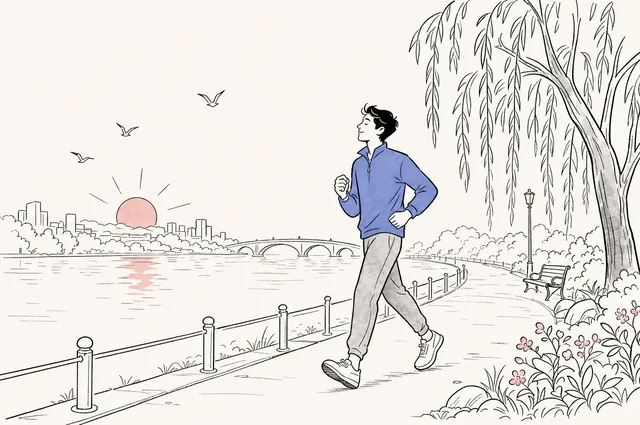
Exercise and mood: how physical activity helps with depression and anxiety
What reviews of meta-analyses show about exercise for depression, anxiety and distress, which types of exercise work best and how to start when you have no energy.
 Physical Activity
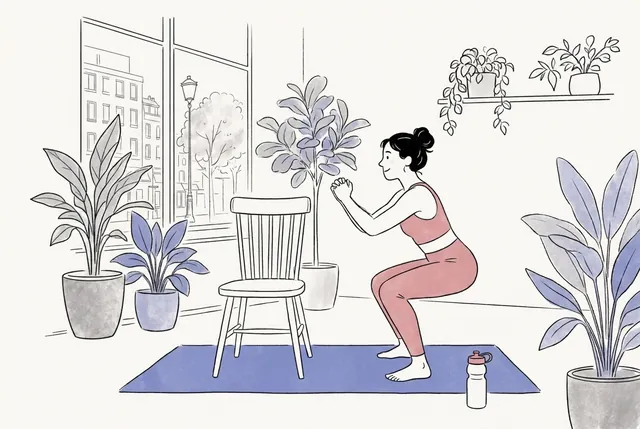
Strength training at home in 15 minutes: why and how
Why guidelines recommend muscle strengthening twice a week, what a meta-analysis found about strength training and longevity, and a 15-minute no-equipment routine.
Family and support
Family members need support too, and practical ways to help without burning out.
 Social Connection
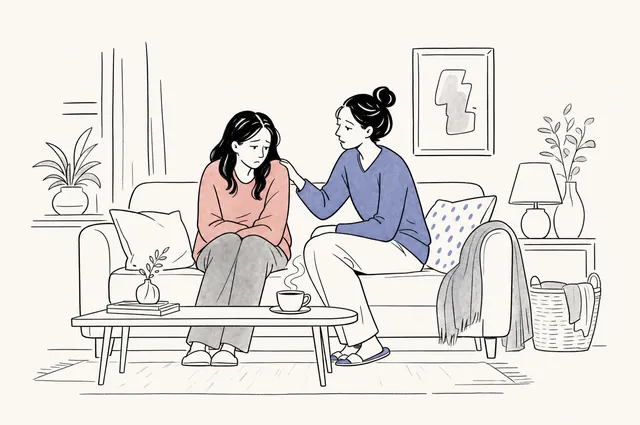
How to support someone in crisis: five principles of psychological first aid
The five evidence-informed principles for supporting people after traumatic events, how to talk to someone in crisis and why asking about suicide does not increase risk.
Social ConnectionCouples and health: why relationship quality matters
What a meta-analysis of 126 studies found about marital quality and health, why conflict matters and what keeps relationships healthy.
Social ConnectionHow to ask for help: we underestimate how willing others are
What experiments found about how much we underestimate people’s willingness to help, why direct requests work better and how to ask.
StressSocial support as a buffer against stress
What the classic stress-buffering hypothesis says, how perceived support protects health and why asking for help is a skill.
 Sleep
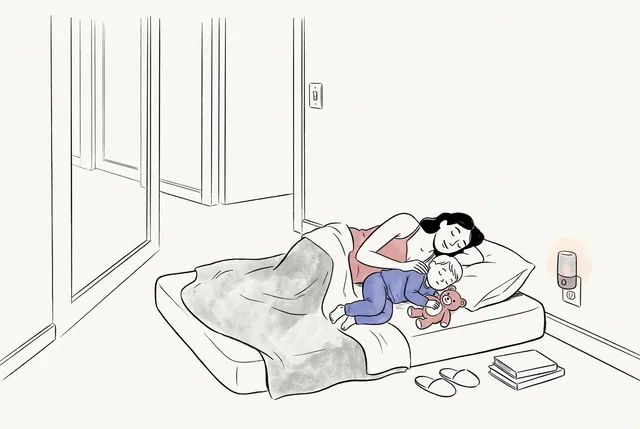
Helping children sleep after frightening events and emergencies
How to help a child sleep after a disaster, emergency or scary news, what to do about nightmares, why a bedtime routine matters and when to get professional help.
Couples Satisfaction Index (CSI-4)
4 questions about satisfaction with your relationship.
QuizMultidimensional Scale of Perceived Social Support (MSPSS)
12 statements about support from family, friends and a significant other.
PDF · CardHow to support someone in crisis: 5 principles
A reminder card with the principles of psychological first aid.
PDF · CardEmergency contacts card for your fridge
Fill it in and post it on your fridge.
Frequently asked questions
Is it normal to sleep badly after coming home from deployment?
Yes, sleep problems are very common. If insomnia, nightmares or frequent waking last for weeks, talk to a doctor: CBT for insomnia and trauma-focused therapies have strong evidence.
How do I know when to seek professional help?
If low mood, anxiety, anger, drinking or feeling disconnected from loved ones interfere with life for more than 2 to 4 weeks. Thoughts of suicide need help right away.
Where can veterans get confidential crisis support?
Call or text 988 and press 1 for the Veterans Crisis Line, or text 838255. Support is free and confidential, 24/7.