Healthy aging: after 60
After 60, habits matter as much as ever, and often more: regular strength training and balance work lower the risk of falls, while social connection and hearing are linked to brain health.
This collection gathers the articles, quizzes and printables that matter most in later life. They are easy to print for parents and grandparents.
Movement, strength and balance
In later life, the strongest evidence is for strength training and balance training.
 Physical Activity
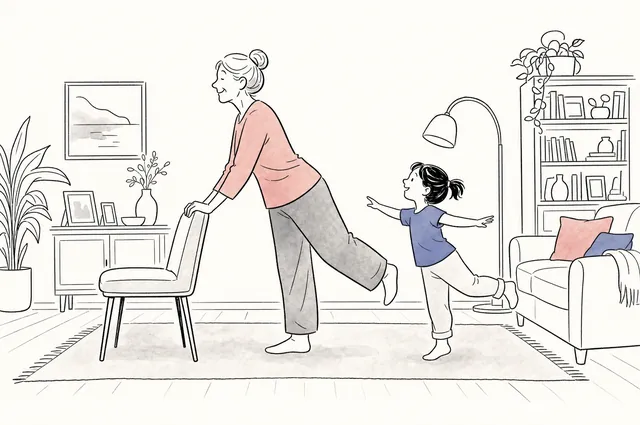
Exercise after 60: strength, balance and fall prevention
Why strength and balance matter most after 60, what a Cochrane review found about exercise and falls and a safe home routine to get started.
 Physical Activity
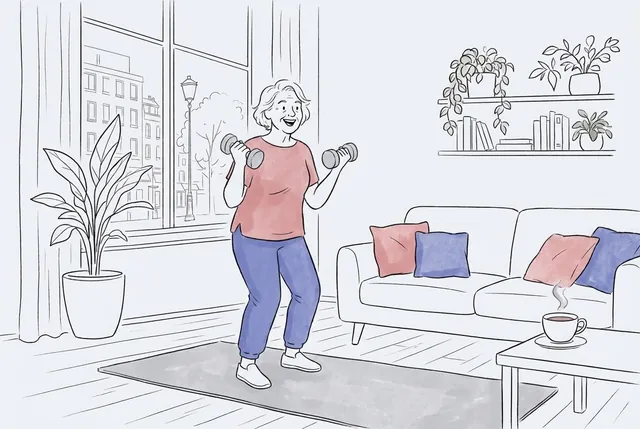
Strong bones: exercises to prevent osteoporosis
What the LIFTMOR trial showed about high-intensity strength and impact training for bone density, why balance exercises prevent falls and how to start safely.
Physical ActivityGrip strength: a simple marker of health
What the PURE study of nearly 140,000 people found about grip strength and mortality, and how to build overall strength.
 Physical Activity
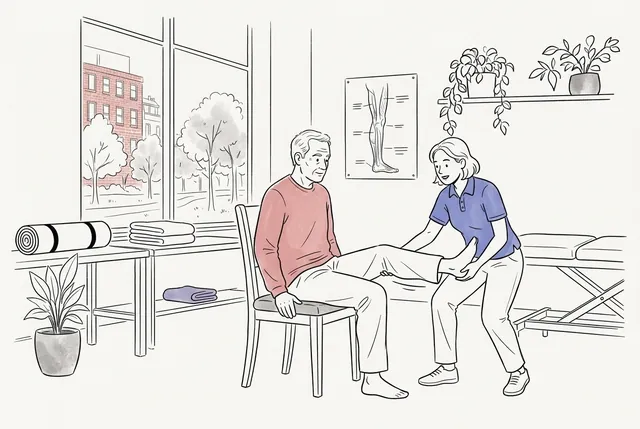
Knee osteoarthritis: exercise is the foundation of treatment
Why exercise is first-line treatment for knee osteoarthritis, what a Cochrane review and a NEJM trial of nonsurgical care found, and simple knee exercises.
 Physical Activity
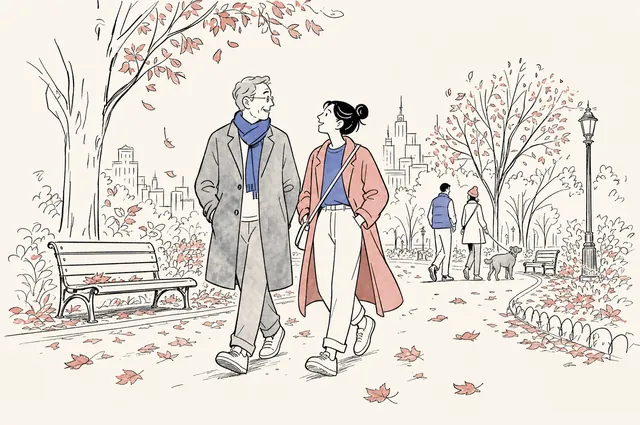
Walking: the simplest exercise with proven benefits
What meta-analyses show about walking, heart disease and longevity, how fast and how much to walk and easy ways to walk more every day.
 Stress
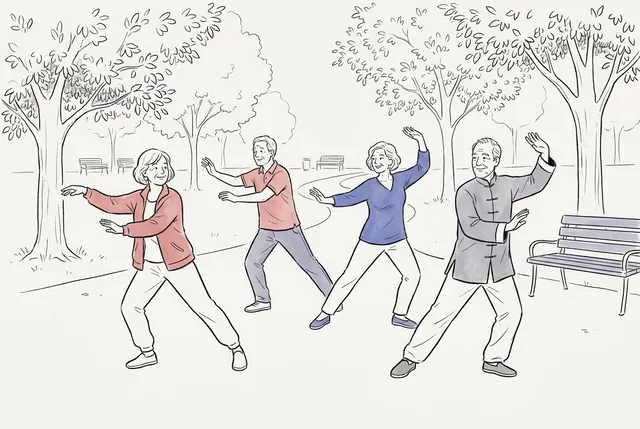
Tai chi: gentle movement for body and mind
What a BMJ randomized trial found about tai chi for fibromyalgia, how tai chi improves balance and cognition in older adults and how to get started.
30-second chair stand test (for adults 60+)
How many times can you stand up from a chair in 30 seconds? Compared with CDC norms.
QuizAre you at risk of falling? CDC STEADI checklist
12 statements for adults 60 and older.
PDF · Card + trackerBalance exercises for adults 60+
A safe balance and leg-strength routine with a 4-week tracker.
PDF · Log15-minute home strength workout + training log
A no-equipment routine with an 8-week rep log.
Sleep as you age
 Sleep
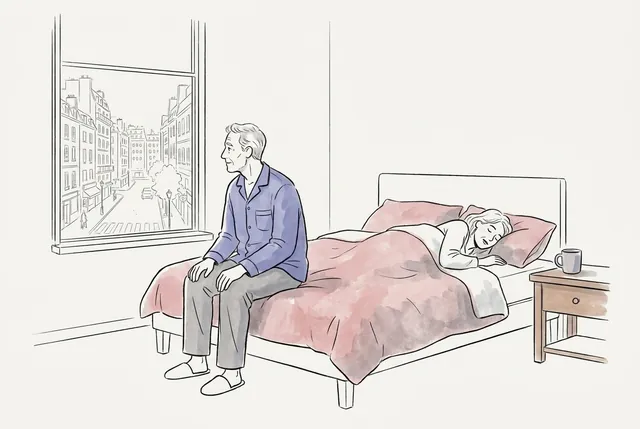
How sleep changes with age and what to do about it
How deep sleep and nighttime awakenings change across the lifespan, how much sleep older adults need and why sleeping pills are risky after 65.
SleepWaking up at night: what is normal and what is not
Why brief awakenings at night are a normal part of sleep, how they change with age and what to do when you cannot fall back asleep.
 Sleep
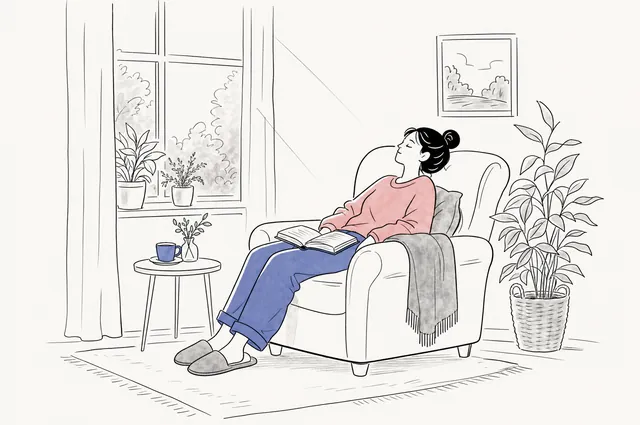
Napping: how long to nap for real benefits
Why a 10- to 20-minute nap boosts alertness without grogginess, what experiments show about nap length and the best time of day to nap.
 Sleep
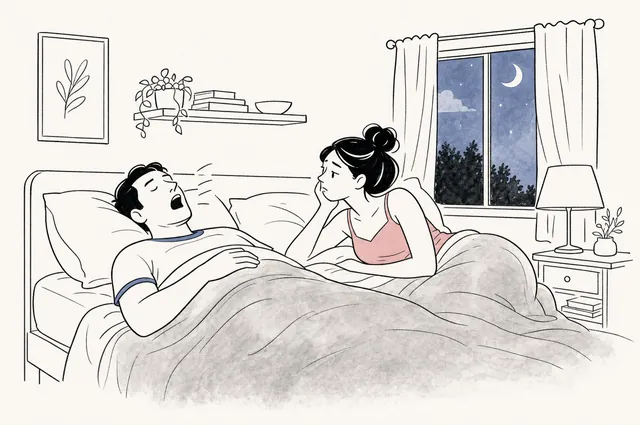
Snoring and sleep apnea: when it is dangerous
What obstructive sleep apnea is, how common it is, the STOP warning signs and the treatments that work, from CPAP to weight loss.
Risky SubstancesSleeping pills and sedatives: risks you should know
What a BMJ meta-analysis found about sleeping pills in older adults, why risks often outweigh benefits and what guidelines recommend instead.
Snoring and sleep apnea: should you see a doctor?
Warning signs that are worth discussing with a doctor.
QuizIs it chronic insomnia? Check the criteria
How often, how long and how much it affects your day.
PDF · DiaryTwo-week sleep diary
Record bedtime, wake time, awakenings, caffeine, alcohol and how you feel.
Nutrition
 Nutrition
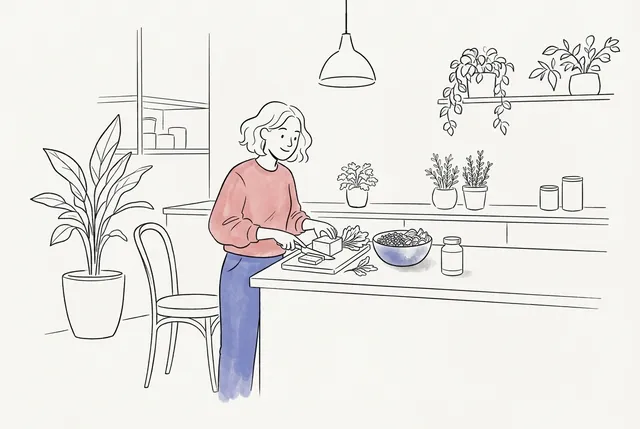
Vitamin B12: what to know if you eat few animal foods
Why vegetarians, vegans, older adults and people on metformin or acid reducers are at risk of B12 deficiency, the warning signs and how to prevent it.
 Nutrition
Vitamin D: who really needs supplements?
What the VITAL trial and a meta-analysis of 81 randomized trials found about vitamin D supplements, and who may still need them.
 Nutrition
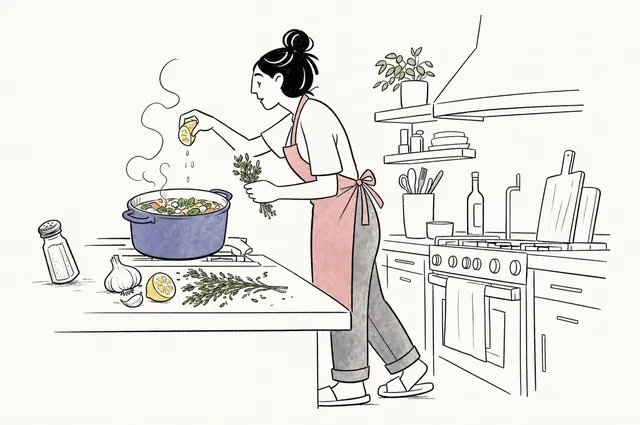
Sodium and salt: how much is too much and where it hides
How much sodium adults should have, how cutting back lowers blood pressure, what a large salt-substitute trial found and where most sodium in the U.S. diet comes from.
 Nutrition
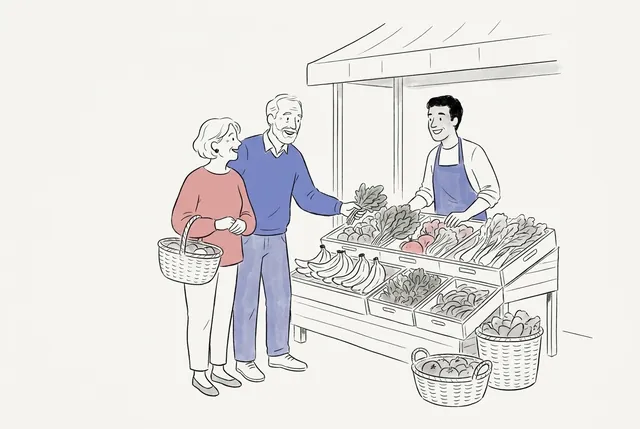
The DASH diet: an eating plan for healthy blood pressure
What the DASH eating plan is, how much it lowered blood pressure in NIH-funded trials and how to follow it day to day.
 Nutrition
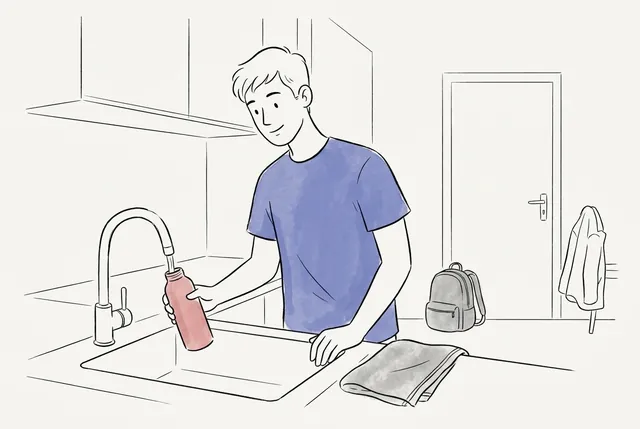
Water: how much should you really drink?
How much fluid adults need according to the National Academies and EFSA, where the "8 glasses a day" rule came from and simple ways to tell if you are drinking enough.
Nutrition · Myth or factMyth or fact: you can never eat too much protein for muscle
How much protein you really need to build muscle, the point where benefits level off, and why protein shakes do not replace strength training.
MEDAS: how Mediterranean is your diet?
The PREDIMED trial screener (13 questions; we deliberately removed the wine item).
QuizToo much sodium? Self-check
The habits that affect your sodium intake the most.
PDF · CardFridge card: the healthy plate
A visual card explaining the plate method with everyday examples.
Memory, mood and connection
Loneliness, hearing loss and dementia: what you can change
What the Lancet Commission found about 12 modifiable dementia risk factors, including social isolation and hearing loss, and practical steps to lower risk.
 Social Connection
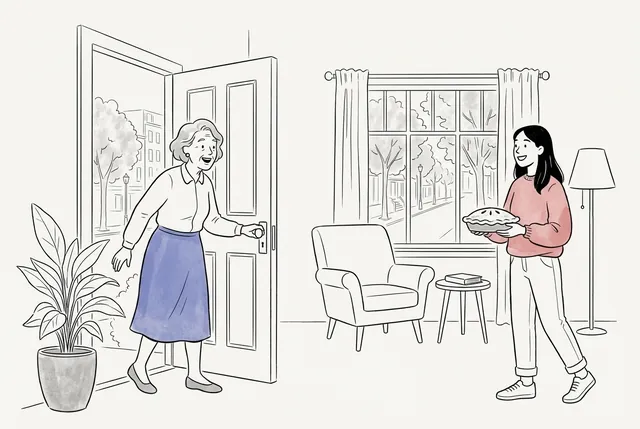
Loneliness as a health risk: what you should know
How loneliness and social isolation are linked to mortality, heart disease and stroke, who is most at risk and what helps.
Physical ActivityExercise and the brain: how physical activity supports memory
What a randomized trial found about walking and the size of the hippocampus, how exercise affects thinking after 50 and how much activity helps.
 Social Connection
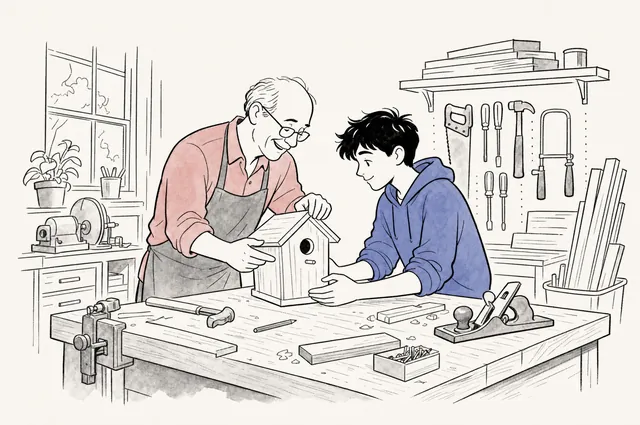
Grandparents: how caring for grandchildren is linked to longer life
What the Berlin Aging Study found about grandparents who help with grandchildren, why helping others outside the family matters too and why moderation counts.
Social ConnectionLosing a partner: how to support yourself and others after widowhood
What a meta-analysis found about widowhood and mortality, why the first months are especially risky and how family and friends can help.
 Social Connection
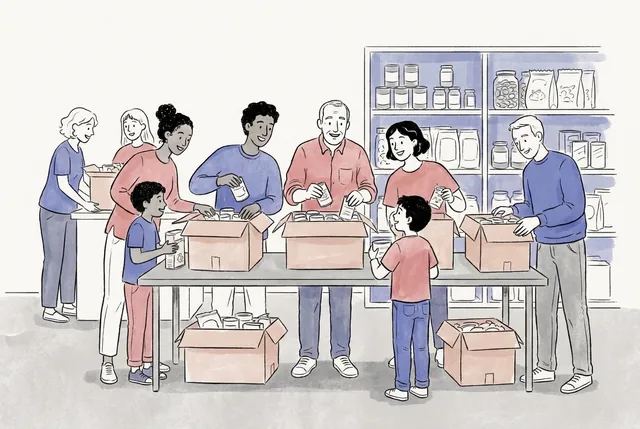
Volunteering and health: how helping others affects you
What systematic reviews and meta-analyses show about volunteering, depression, life satisfaction and mortality, and how to start without burning out.
Safety: medications, heat and cold
Over-the-counter painkillers: the risks of ibuprofen, naproxen and other NSAIDs
How common over-the-counter NSAIDs are linked to heart attack risk within the first week, other side effects and how to use pain relievers more safely.
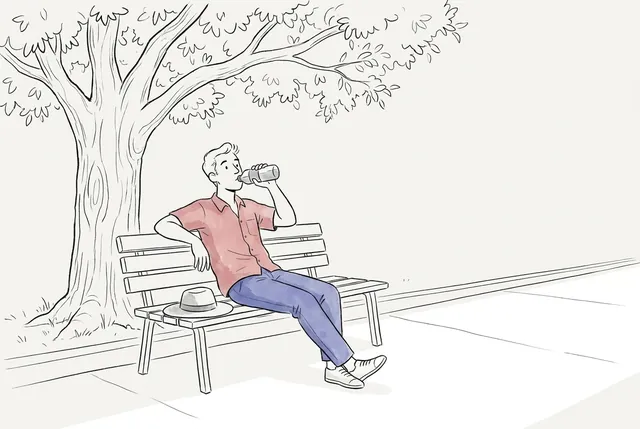 Physical Activity
Extreme heat and health: how to avoid overheating
Who is most at risk during heat waves, the signs of heat stroke and what really cools you down: fans, water, shade and changing your schedule.
SleepSleeping in a cold home during a winter power outage
How to stay warm at night without heat and avoid danger: layers, sleeping bags, hot water bottles and why generators and stoves must never be used indoors.
Social ConnectionCold weather and power outages: getting through winter together
Why older and isolated people are at greatest risk during winter storms and outages, how to plan with neighbors and family and what never to use for heat.
Frequently asked questions
Is it too late to start exercising after 60?
No. Strength and balance training benefit people at any age. Start gradually and check with your doctor if you have chronic conditions. The CDC STEADI program offers free fall-prevention resources.
What matters most for preventing falls?
Balance and leg-strength training, reviewing medications that can cause dizziness, regular vision checks and a safe home without slippery rugs.
Is it normal to sleep less as you get older?
Sleep does become lighter and more broken, but severe daytime sleepiness, loud snoring or long-lasting insomnia are reasons to see a doctor.